
Price Guide
Concert LED Screen Cost: Why Touring Prices Differ
Touring budgets add rental-spec cabinets, rigging, trucking and crew time to the visible screen scope.
A touring LED wall and a fixed installation of identical size and pitch are not the same product, and they are not priced the same way. Understanding why prevents an unpleasant surprise at the quotation stage.
Touring changes what the cabinet has to be
| Requirement | Fixed install | Touring |
|---|---|---|
| Setup cycles | Once | Hundreds |
| Connector durability | Standard | Locking, rated for repeated cycles |
| Cabinet weight | Secondary concern | Critical — drives rigging and trucking |
| Curve capability | Rarely needed | Frequently required |
| Spare parts held | Minimal | 3–5% of cabinet count, on the truck |
| Flight cases | Not required | Required, and they cost real money |
The spares line surprises people. A touring wall carries its own repair stock because a dead cabinet at 6pm cannot wait for a shipment. Budget 3–5% of the cabinet count in spares, plus the cases to move them.
The costs that are not the screen
For a touring production, the display is often a minority of the total:
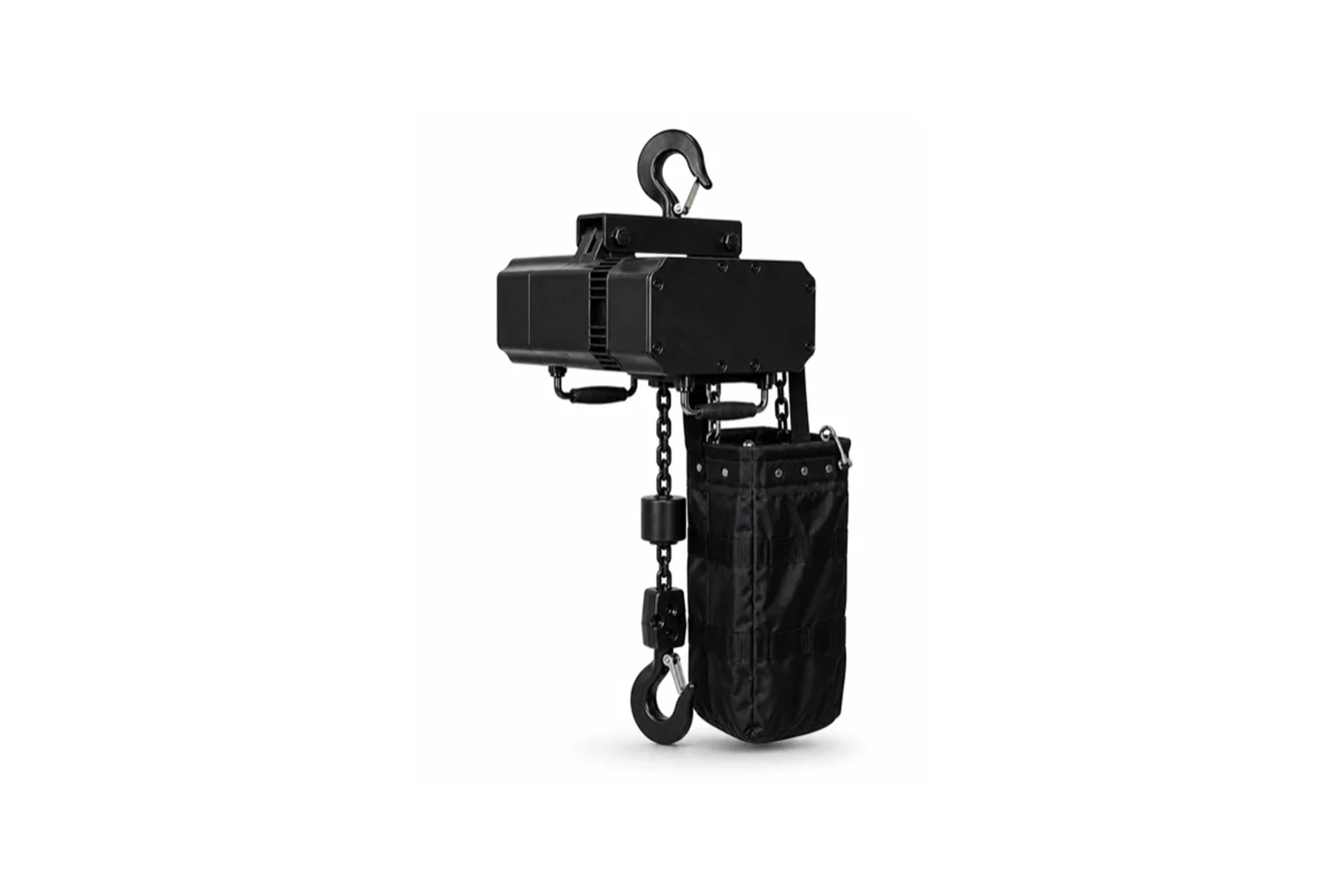
- Rigging — hoists, truss, motors, and the crew certified to operate them
- Trucking — volume and weight, not just cabinet count
- Crew time — load-in, focus, load-out, at every venue
- Processing and redundancy — backup processors, backup cabling
A giant LED screen cost conversation that only covers the panels is going to be short by a wide margin.
Where motion fits
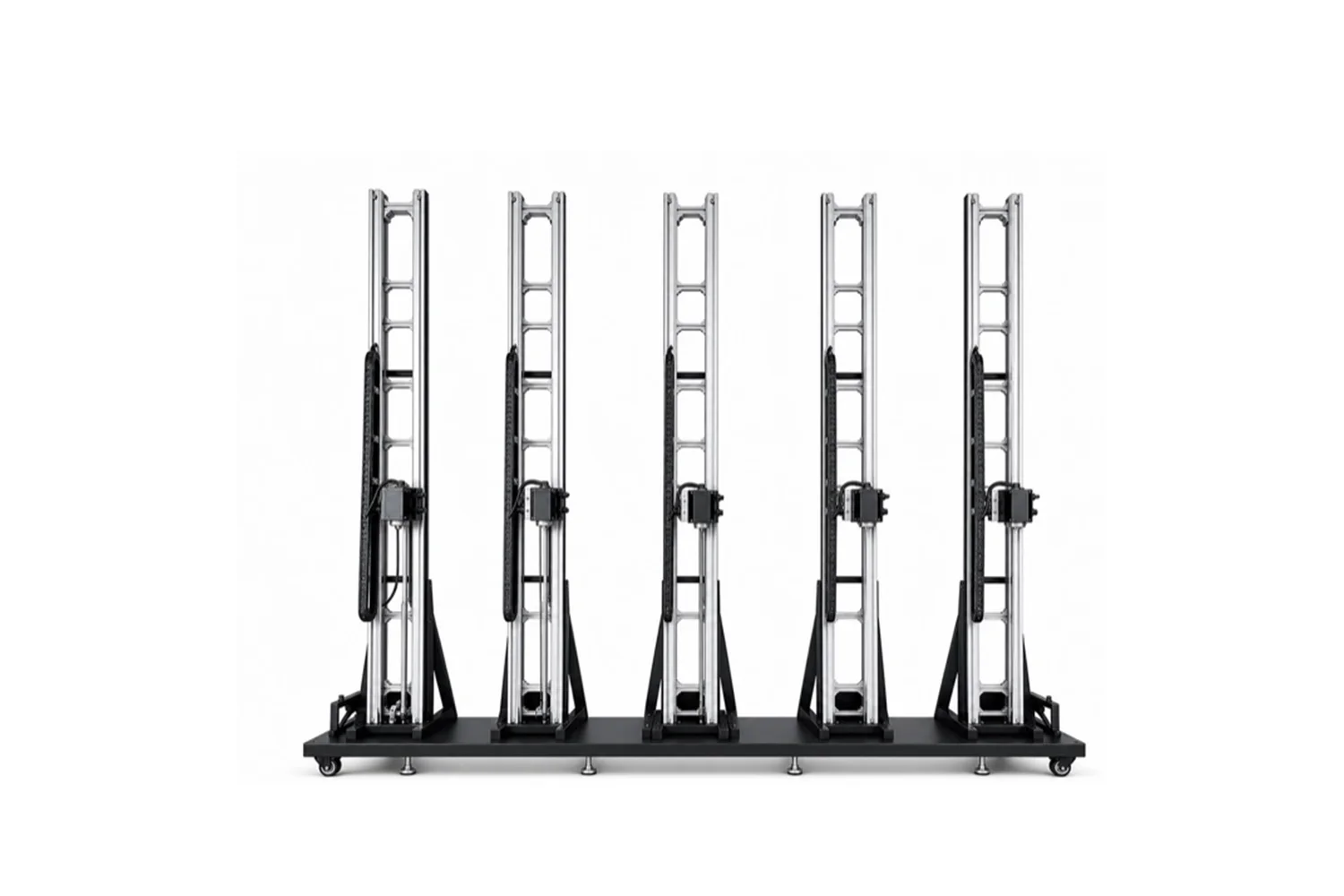
Moving elements — lifting walls, rotating towers, telescopic sections — are increasingly part of touring design. They add drives, control and, most importantly, a safety case: over an audience, a motion system needs redundant braking and a defined behaviour on power loss. That engineering is part of the cost and should not be value-engineered out.
rental LED display systems · electric stage hoist
Frequently asked questions
Why do touring LED screens cost more than fixed installations?
Because they are built to be assembled and stripped repeatedly. Fast-lock cabinets, curve-lock hardware, road cases and lighter frames all add cost that a bolted fixed wall never pays for. The trade is labour: a touring wall goes up in a fraction of the time.
Should I buy or rent an LED screen for a concert?
Count the shows. Renting wins for one-off events and for anything where the specification changes between dates. Buying wins once the wall is in near-continuous use — and then the real cost is not the screen but the crew, the trucking and the storage around it.
What does it cost to make the screen move during the show?
Motion is priced as machinery, not as display. A stage hoist system adds rated-load hardware, control and a safety case, and the screen weight sets most of it — which is why that figure comes first. The LED wall calculator gives a starting number from your target dimensions.