
Telescopic matrix · Programmable depth
Kinetic LED Wall with Programmable Depth
Independently driven LED modules extend and retract to turn synchronized content into physical depth and wave motion. Five indoor and outdoor platforms cover different module sizes, travel ranges and maintenance conditions.
Engineering response within 8 business hours.
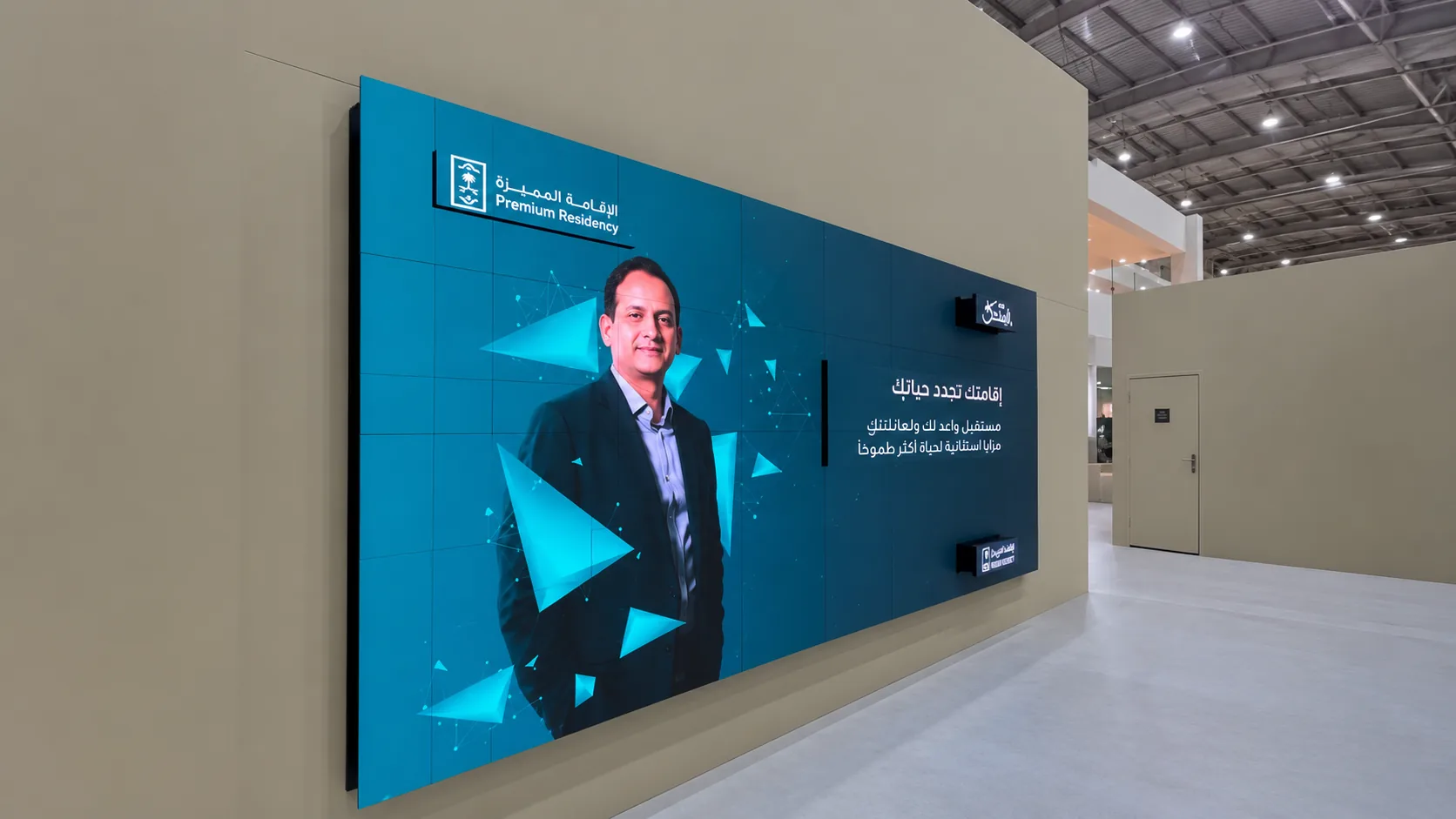
Project fit finder
Choose the right kinetic LED wall for your space.
Enter the project environment and screen size. The selector recommends one of five platforms and prepares a preliminary quantity, weight and power estimate for engineering review.
SS03-160
Balanced indoor platform for exhibitions, showrooms and most medium-size installations.
Five proven hardware platforms
Five telescopic LED matrix models for indoor and outdoor projects.
Each model is optimized for a different combination of unit size, travel, maintenance access, density and installation scale.
Engineered motion performance
What makes a reliable kinetic LED screen?
A compelling kinetic display needs fast, precise motion, controlled gaps, serviceable architecture and protection that remains practical at scale.
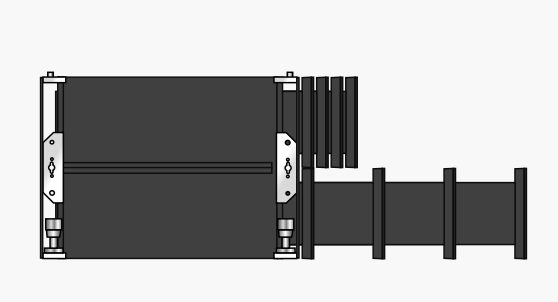
Per-unit independent drive
Each motion unit is individually driven, addressed and monitored — the computer talks to every motor directly for adjustment and status monitoring.
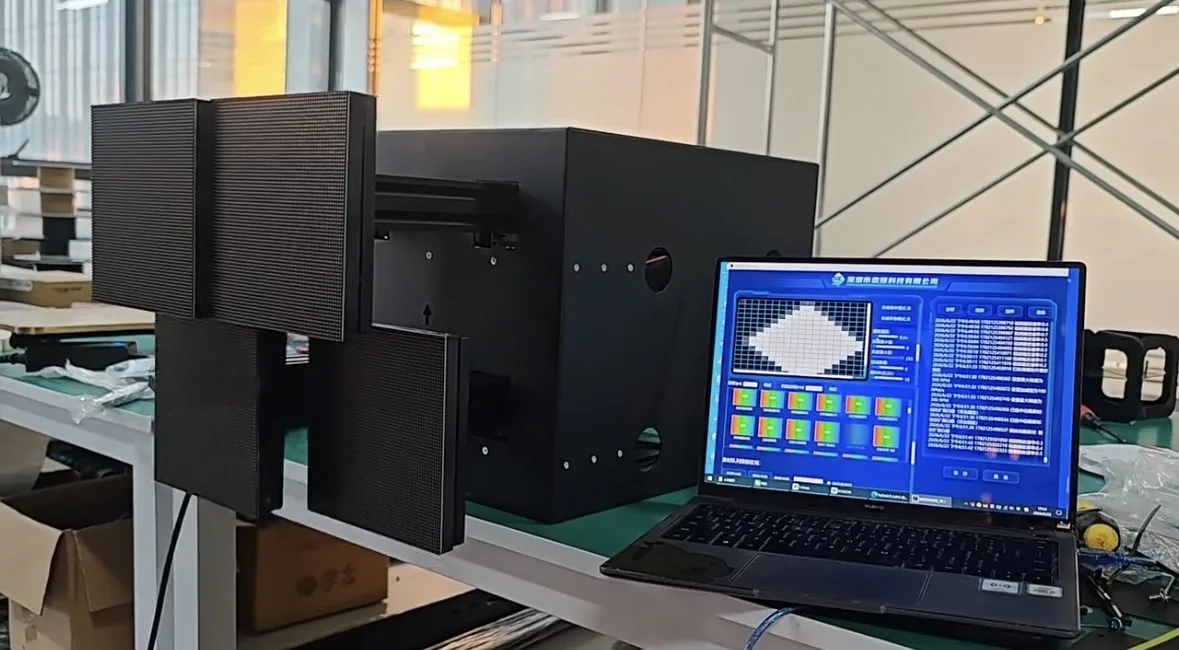
Silent, fast, precise
Quiet servo motors and silent structures; indoor models complete a full stroke in as little as 0.4 seconds.
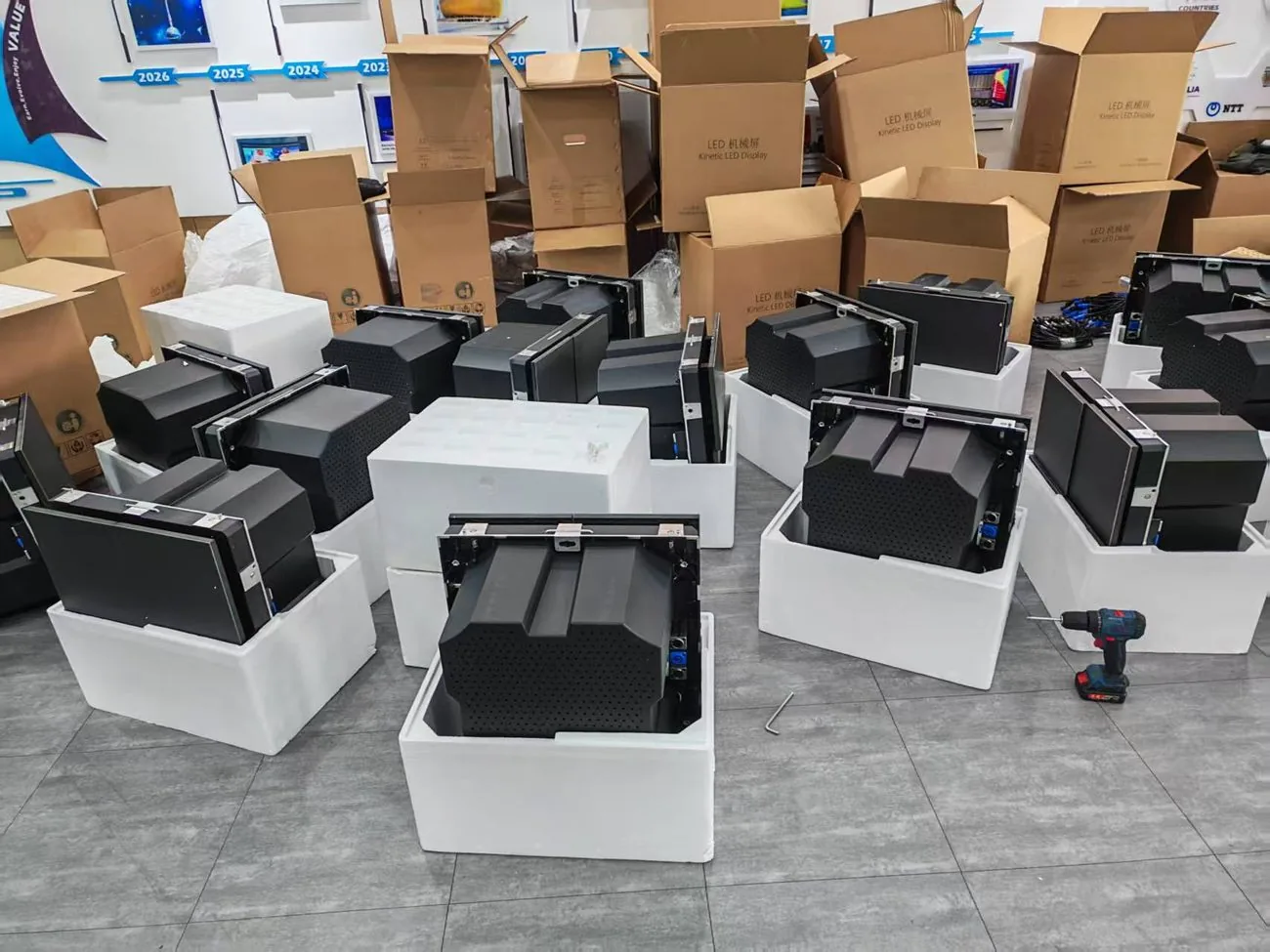
Quick-install construction
Die-cast aluminum cabinets with aviation connectors, flight-case packed — built for fast setup and teardown in rental and exhibition work.
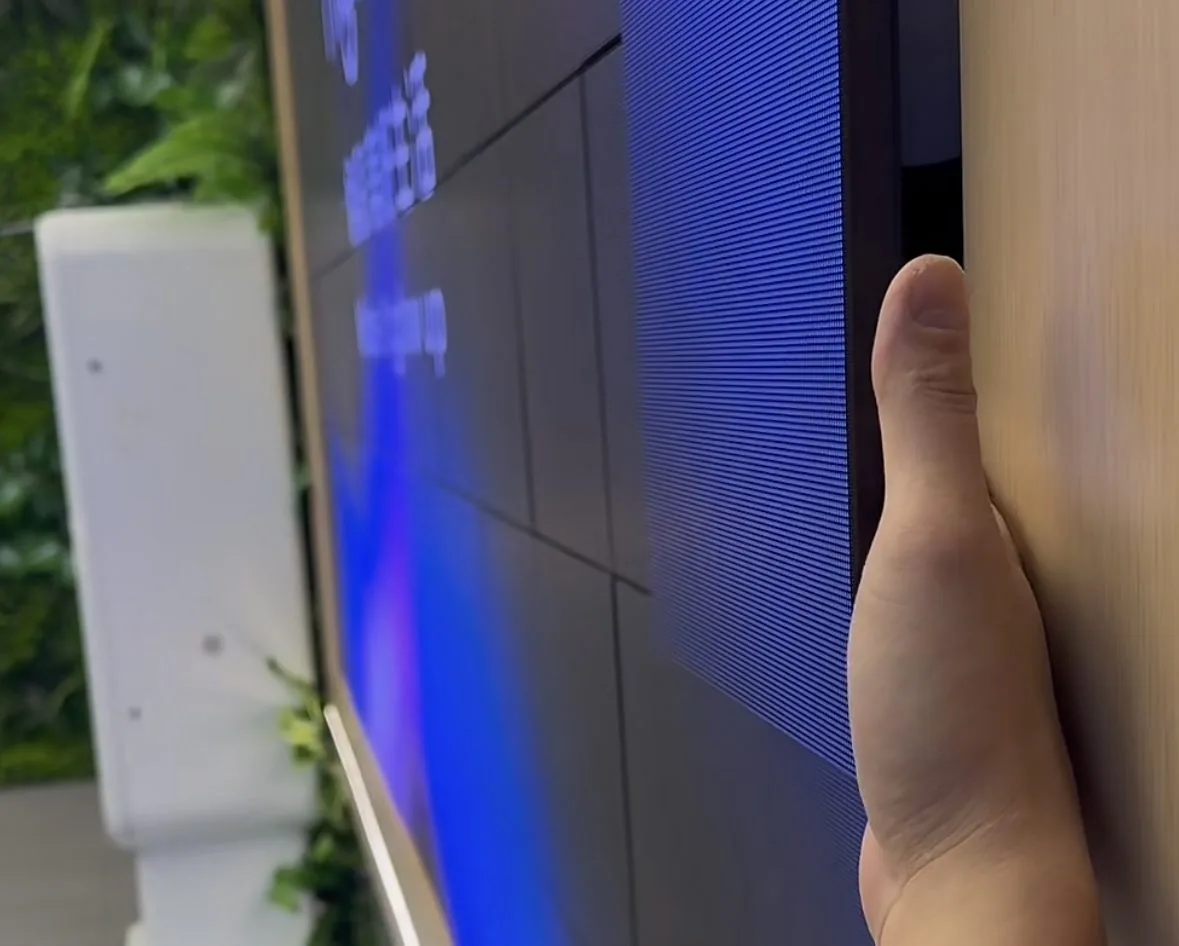
Anti-pinch protection
Motion units de-energize on contact resistance — from a 3 kg trigger threshold on indoor models — protecting people and hardware.
Hardware + software + content
One kinetic LED display ecosystem—from motion to interaction.
The commercial difference is an integrated ecosystem: motion hardware, CAN control, creation tools, phone operation and reusable content assets.
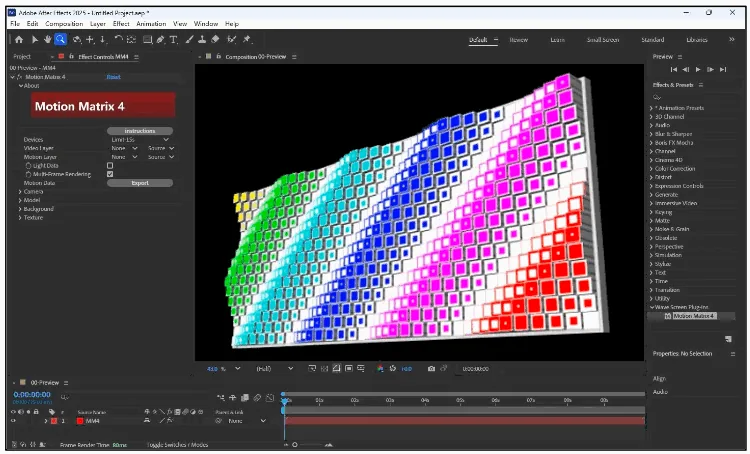
Motion films — After Effects plugin
Choreograph picture and physical motion together in AE with a live 3D preview; the plugin flags and auto-repairs movements that exceed machine limits.
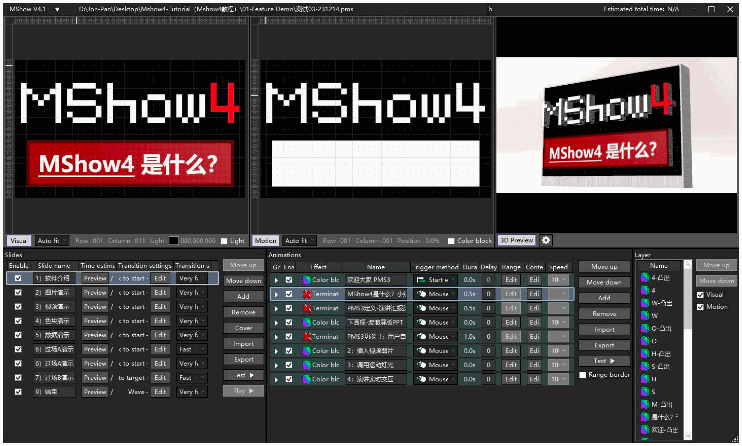
3D presentations — MShow4
A presentation tool built for wave screens: assemble text, images, video and data blocks into presenter-controlled 3D slides — no professional skills required.
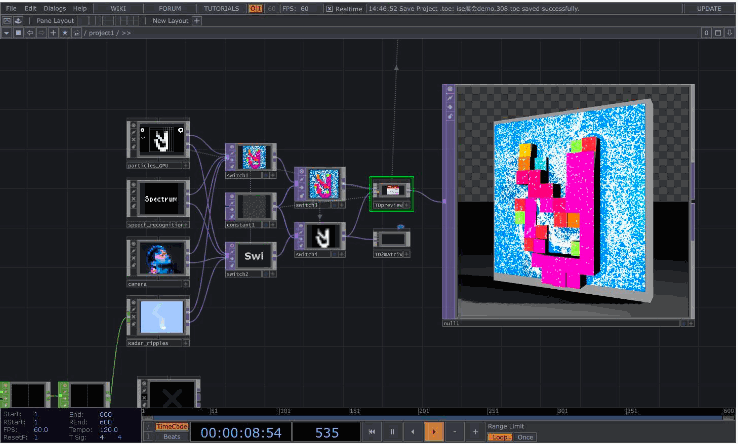
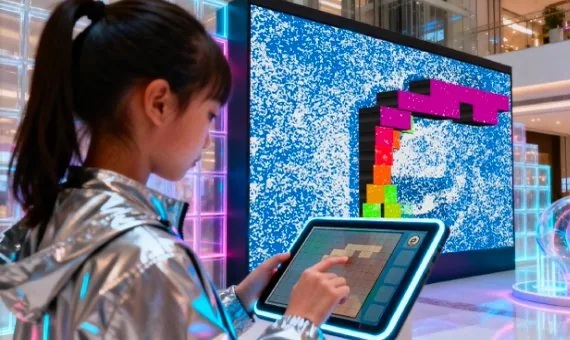
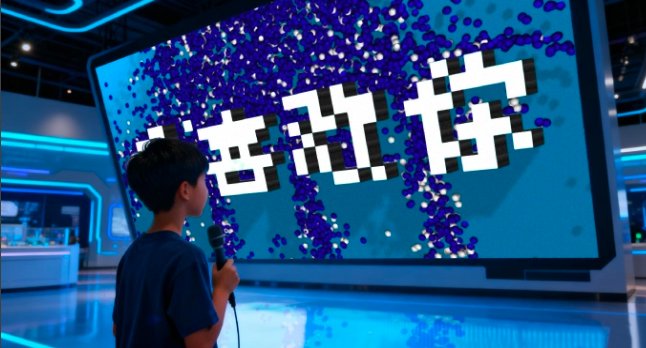
Interaction — TouchDesigner & UE5 plugins
Connect cameras, microphones, lidar, touchscreens and Leap Motion for interactive walls; build true physics-based matrix games in Unreal Engine 5.
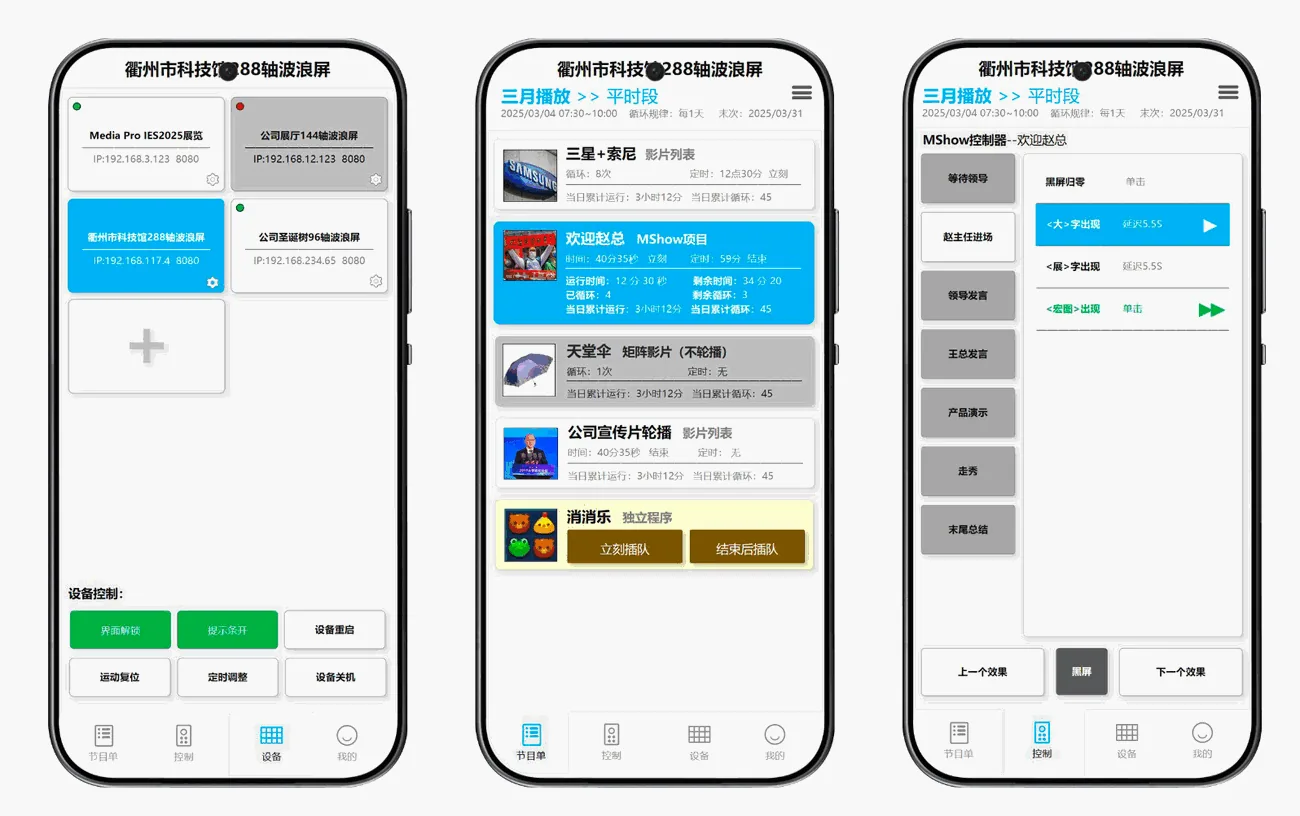
Phone central control
An orchestrator on the device PC plus a phone app: switch programs, control playback, adjust motion and power the system on or off from a handset.
Program scheduling
Mix motion films, 3D presentations, interactive scenes and games into one rotating program list with timed slots.
Digital asset library
Years of accumulated templates and project source files — reference films, countdowns, brand waves — adaptable to new projects quickly.
Model specification
Compare telescopic LED display specifications.
Choose a model to review its pixel pitch, motion unit, maximum travel, maintenance direction, cabinet architecture, weight and power planning values.
SS03-160
Indoor platformTechnical resources
Move from product research to an engineering decision.
Product specification
Reference dimensions, performance, packing and system-interface information.
View / download specificationAsk the engineering AI
Get a quick answer about product selection, inputs or supply scope. Complex questions are handed to WhatsApp.
Joeqing on YouTube
Watch product motion, factory demonstrations and completed kinetic installations.
Open the video channelBuilt for attention
Kinetic LED walls for exhibitions, retail and landmarks.
The same platform can become an exhibit wall, an interactive installation, a retail feature or an outdoor advertising landmark—from compact indoor features to large-format exterior displays.
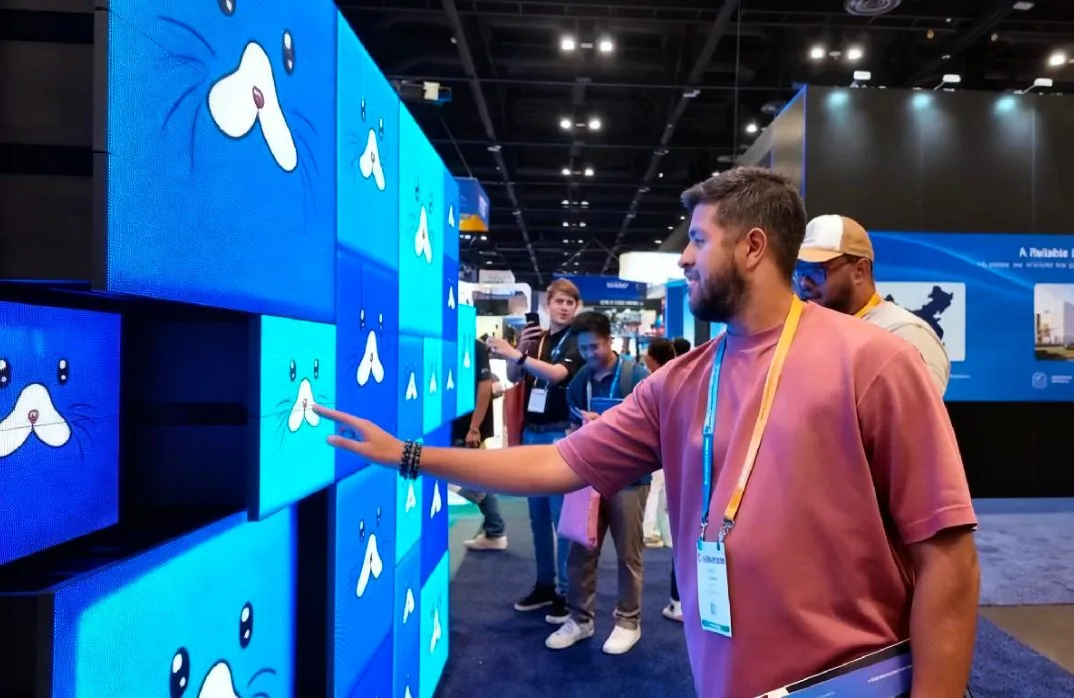
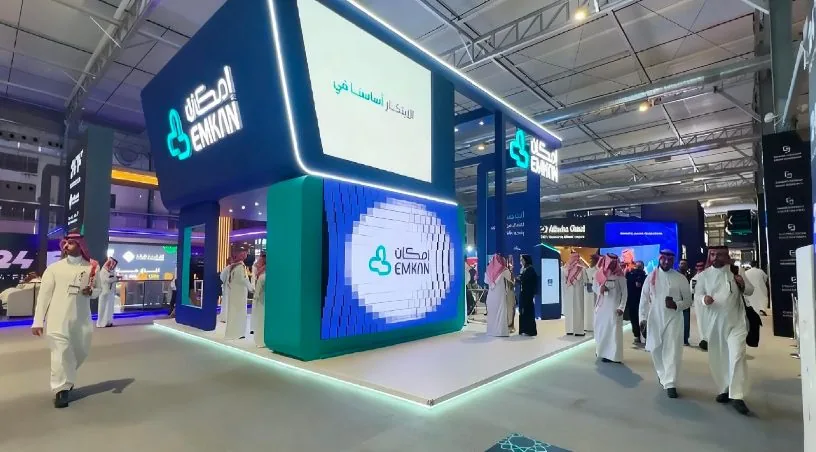
Exhibitions & rental
Trade-fair stands and launch events — quick-install cabinets and flight-case logistics built for touring.
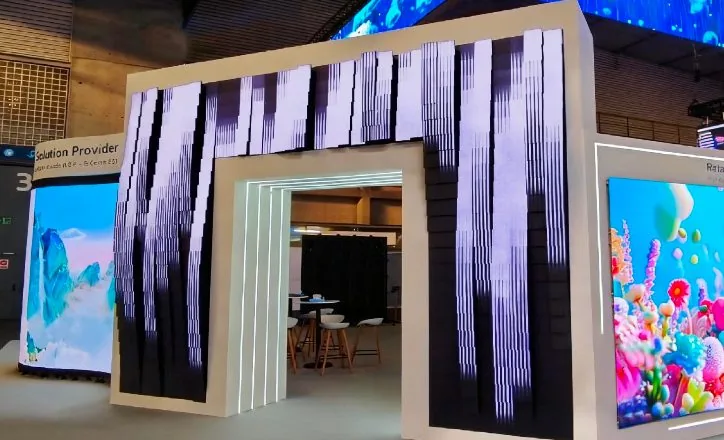
Showrooms & museums
Corporate halls, science centers and interpretive spaces where visitors interact with the surface.
Retail & hospitality
Luxury windows, hotel facades and club interiors — decoration that doubles as media.
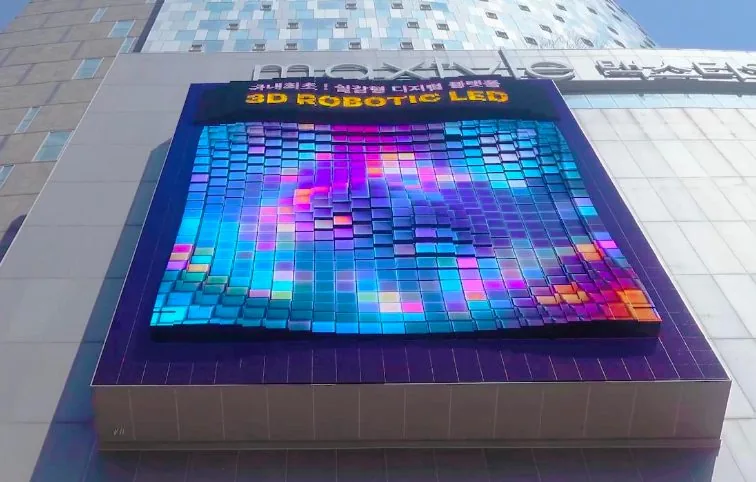
Outdoor advertising
Kinetic billboards and city landmarks — motion turns ad inventory into a photographed destination.
Watch it move
See the system operating in real installations.
Turn a model into a project
Bring the wall dimensions. We’ll engineer the wave.
The inquiry carries the recommended model, preliminary unit count and the content or interaction capabilities the project needs.
Buyer questions
Kinetic LED wall questions, answered.
Use these answers for early planning, then share the site dimensions and maintenance conditions for a model-specific engineering review.
What is a kinetic LED wall?
A kinetic LED wall combines video with physical movement. Independently driven LED units extend and retract to turn flat content into synchronized waves, relief and three-dimensional motion.
How does a telescopic LED matrix work?
Each LED tile is mounted to a motion unit. A CAN-based control network coordinates position, speed and travel while the LED content plays in sync with the physical movement.
Which Joeqing kinetic LED models are designed for indoor and outdoor use?
SS03-128, SS03-160 and SS03-250 are indoor platforms. SS03-320 and SS03-500 are outdoor platforms.
How far can the kinetic LED modules extend?
Maximum travel depends on the model: 200–300 mm for the indoor platforms, 400 mm for SS03-320 and 600 mm for SS03-500.
Can the kinetic LED wall support interactive content?
Yes. Project options can include TouchDesigner or Unreal Engine workflows and inputs such as cameras, microphones, touchscreens and radar, subject to the final integration proposal.
How do I choose the right kinetic LED wall model?
Start with the environment, active dimensions, viewing distance, creative priority and maintenance access. The selector provides a preliminary recommendation for engineering review.
Is front or rear maintenance available?
SS03-128 and SS03-160 use front maintenance. SS03-250, SS03-320 and SS03-500 use rear maintenance, so service access must be included in site planning.
How is a telescopic LED matrix different from a folding or rotating screen?
All three move, but they move for different reasons. A telescopic matrix pushes individual units forward and back, so a flat surface becomes relief while the picture stays whole. A foldable lifting screen changes its footprint instead, folding away so the same room can be used for something else. A multi-layer rotating screen turns to face different sightlines, and a sliding rail display travels along a track to reveal what sits behind it. Choose the motion by what the room has to do, not by which mechanism sounds most advanced.
How much does a telescopic LED matrix weigh?
More than the LED alone, because every moving unit carries its own actuator, guide and frame. That total is what the supporting structure has to be engineered around, so it belongs in the brief before the pixel pitch does. The LED wall calculator gives a starting figure for a static wall of the same area; for a moving surface treat that as a floor rather than an estimate, and send us the site dimensions for a model-specific review.