
Entertainment lifting · Multi-point control
Electric Stage Hoist for Multi-Point LED Lifting
Q1, Q2+ and Q3 electric stage hoists, the JQ-A manual hoist, group controllers and lifting accessories form a configurable family for stages, kinetic ceilings, LED installations and live production.
Engineering response within 8 business hours.
Configure your stage lifting system in 60 seconds.
Start with the five inputs that shape the system: what you are lifting, total weight, number of lift points, travel and whether the motion is synchronized or independently programmed. Your configuration flows directly into the inquiry.
01 / PROJECT PARAMETERS
02 / INITIAL CONFIGURATION
Q1 / Q2+ 500 kg-class route
Start the engineering review with 8 lift points and synchronized group control. Q1 and Q2+ are preliminary routes only; the final selection depends on dynamic loads, eccentric loads, travel, speed, protection rating and suspension geometry.
Compare Q1, Q2+, Q3 and JQ-A stage hoists.
Start with the operating method, load class, travel, speed and venue conditions. The planner suggests a load route; the final hoist and control package are confirmed through engineering review.
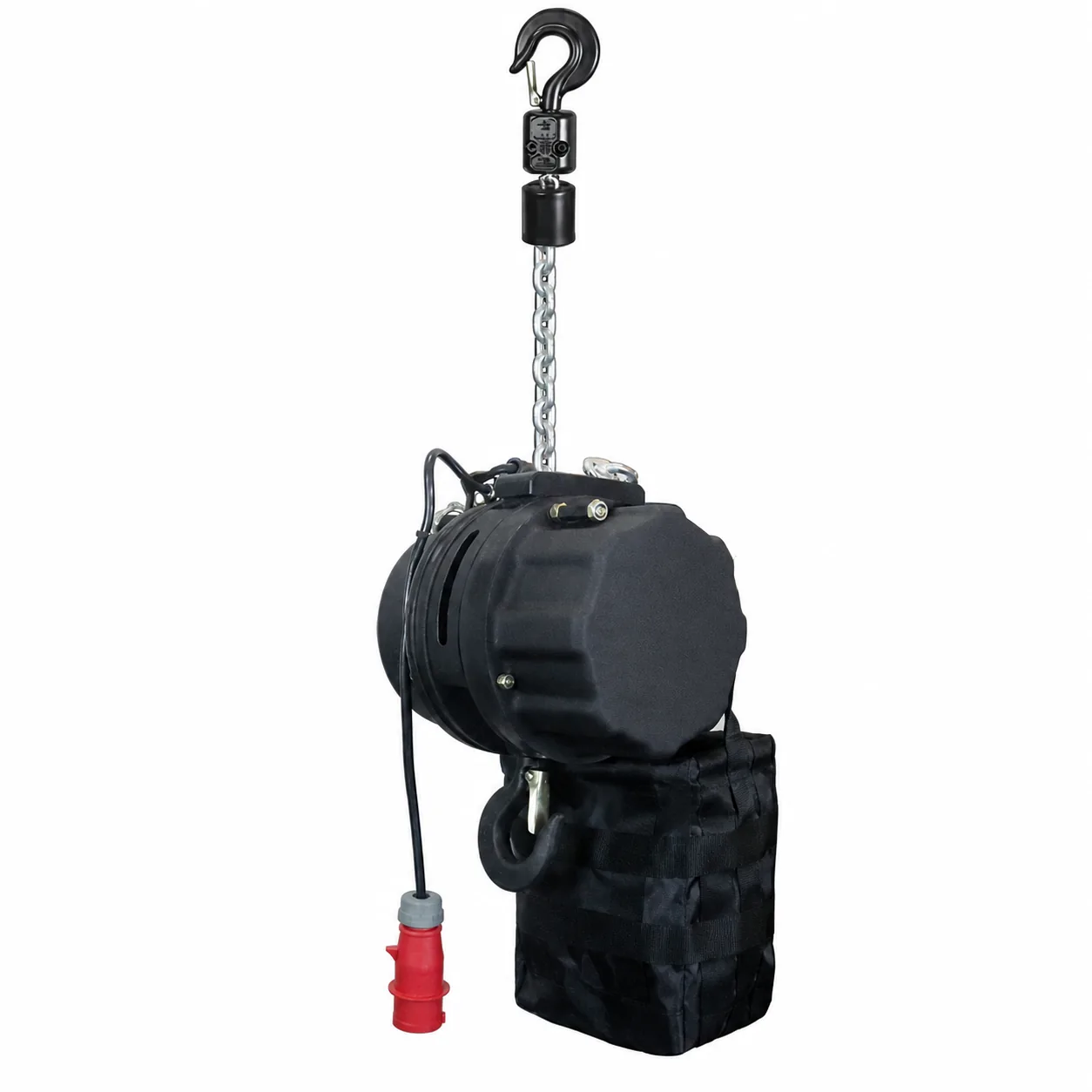
Three load classes for general stage lifting.
A compact electric chain hoist for single-point or grouped stage operation, with overload protection, disc braking and compatibility with synchronized controllers.
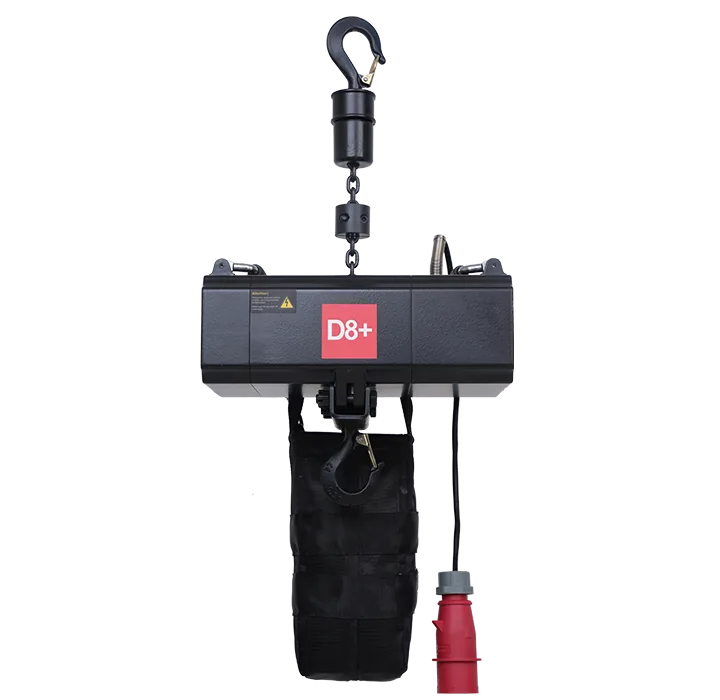
Fast, protected operation for demanding venues.
An aluminum-body electric hoist with adjustable upper and lower limits, overload protection and optional encoder feedback for grouped or engineered motion systems.
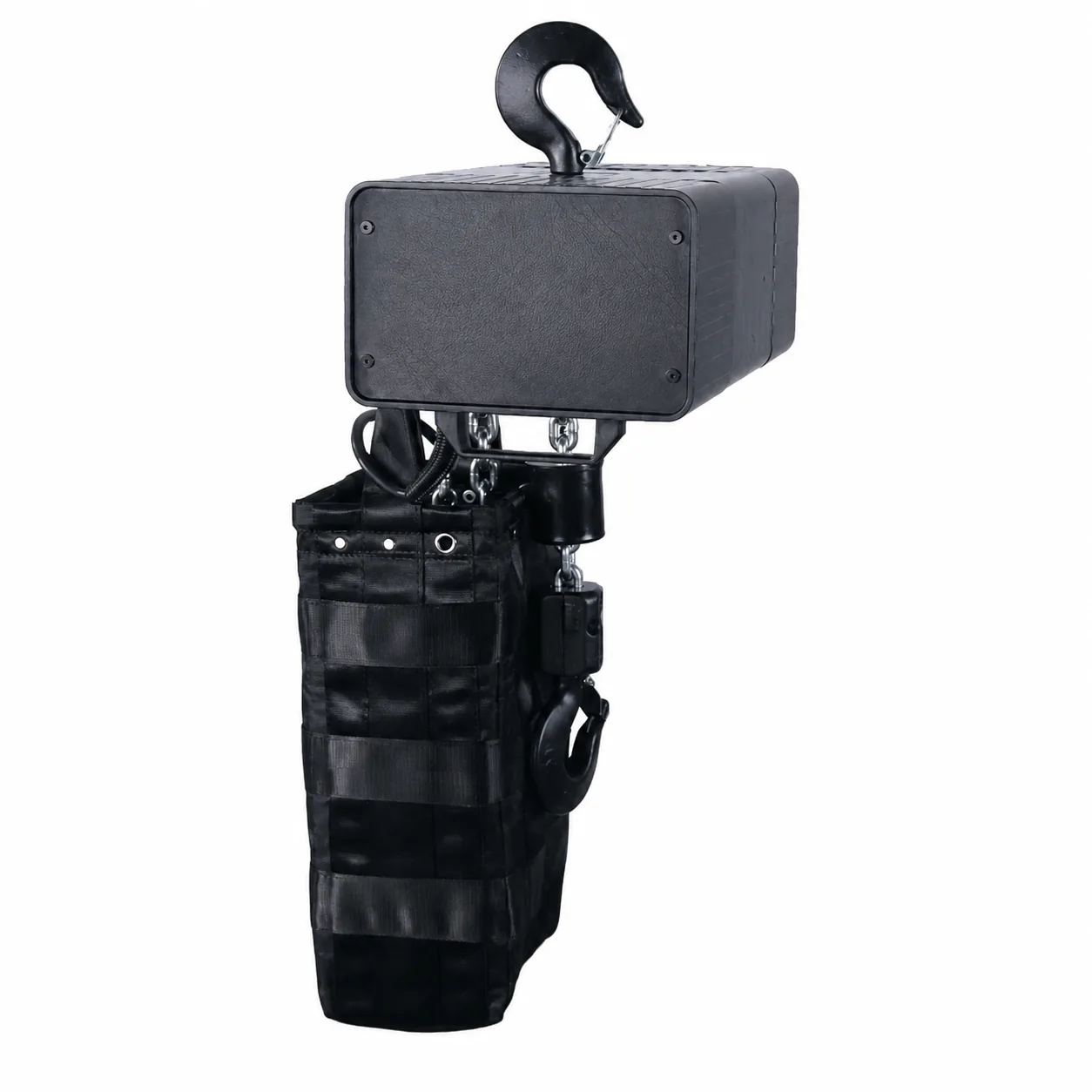
Stable low-speed lifting with venue-ready protection.
A 1000 kg-class electric hoist for stage machinery and permanent installations where controlled low-speed operation, compact handling and environmental protection matter.
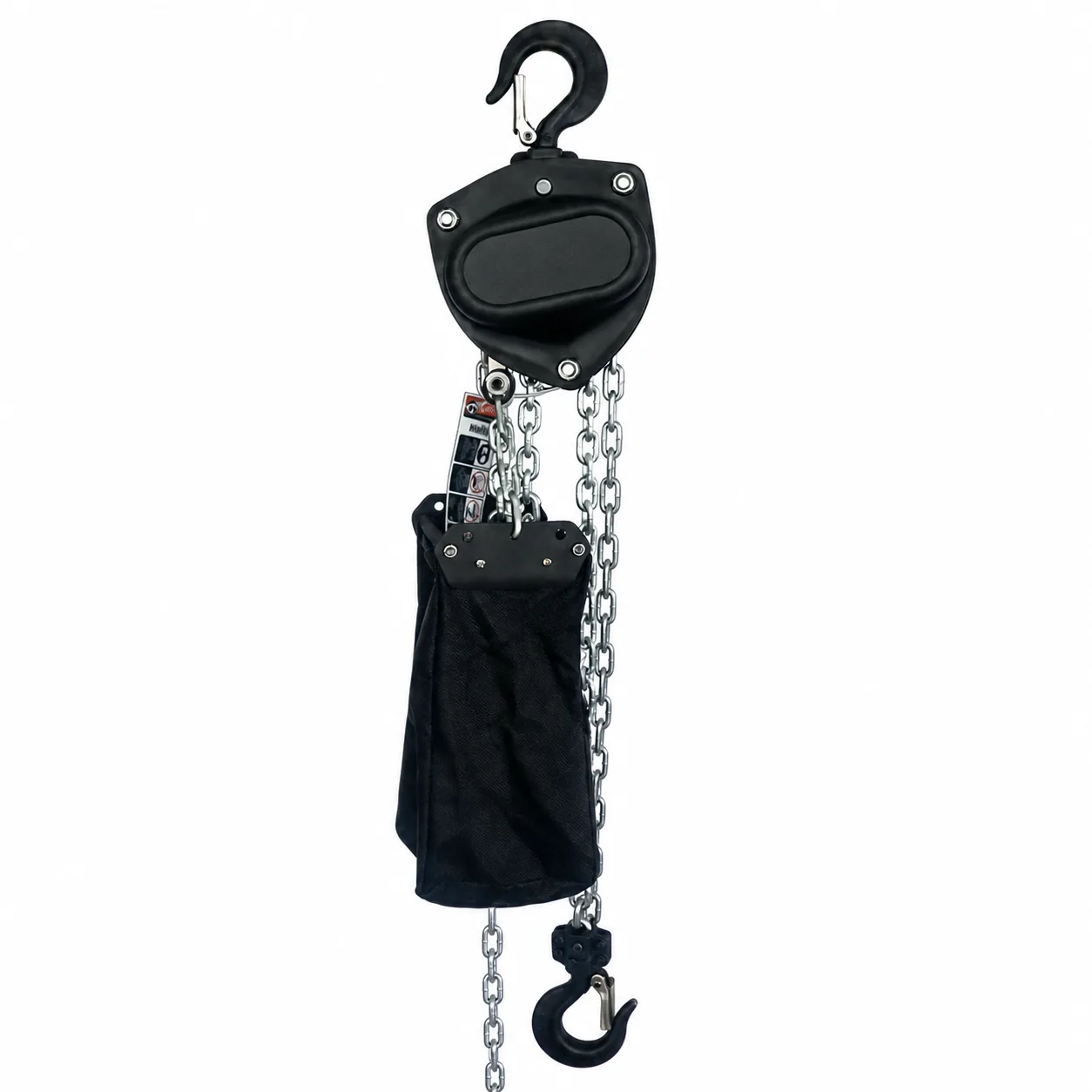
Manual lifting for setup, positioning and backup use.
A hand-operated chain hoist for stage preparation, installation support and applications that do not require powered synchronized movement.
Build the lifting route from control to the suspended load.
A complete stage lifting quotation connects the operating method, controller, selected hoists, lifting accessories and suspension plan. JQ-A remains a separate manual route rather than part of an automated motion chain.
Typical Powered Multi-point System
Hoists or Manual Lifting
Choose Q1, Q2+ or Q3 electric hoists, or JQ-A for manual setup and positioning. The client provides the remaining control and integration scope.
Electric Hoists + Group Controller
For projects requiring single-hoist operation, synchronized groups and a packaged power-distribution route.
Complete Stage Lifting System
A complete scope from lift-point planning and equipment selection to accessories, control topology, testing and motion commissioning.
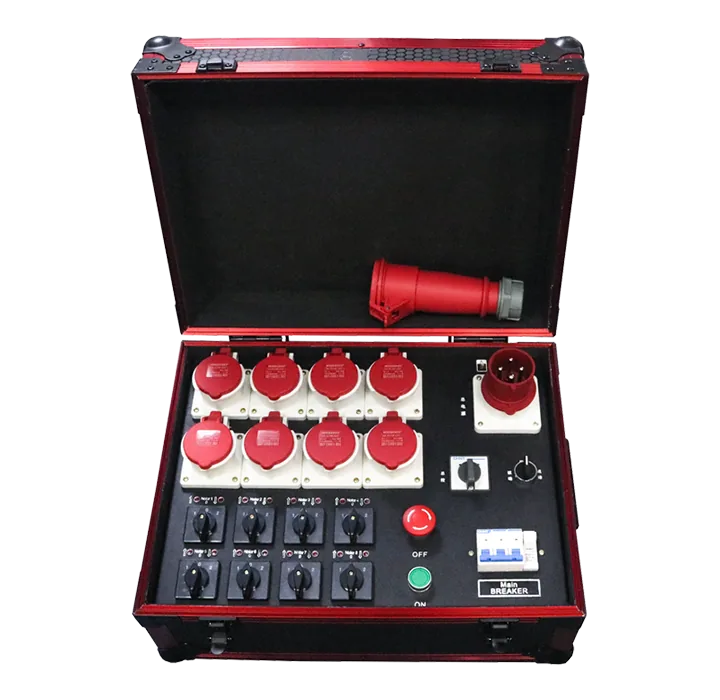
Portable Group Controller
Available in 4, 8, 12, 24 and 36-circuit configurations for single-hoist or synchronized group operation. Linked controller routes can manage up to 40 hoists.

Black Stage Lifting Sling
A lightweight, flexible sling for binding and securing stage loads, with moisture resistance, heat resistance and abrasion-resistant construction.
Safety planning for entertainment chain hoists.
A stage lifting system must be evaluated beyond motion alone. Positioning, power-loss holding, overload protection and venue conditions are addressed at system level, subject to the confirmed configuration.
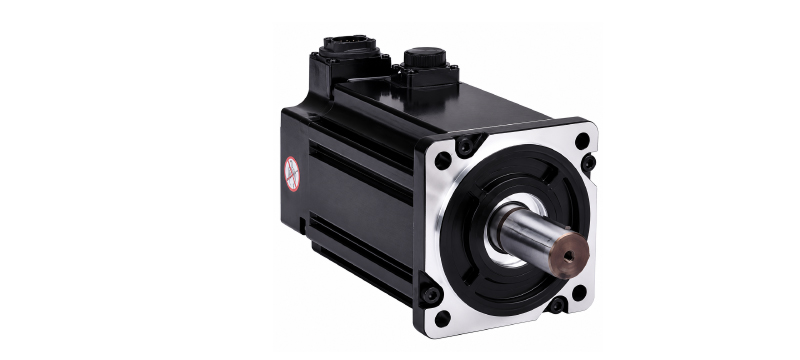
Servo Position Control
Assigns a defined motion target to every lift point and supports multi-point synchronization and programming.
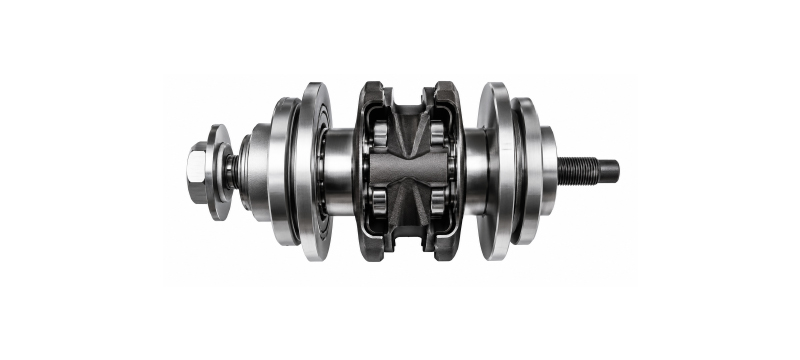
Power-loss Holding Logic
Considers power-loss conditions within the hoist and brake configuration; actual performance depends on the final braking design.
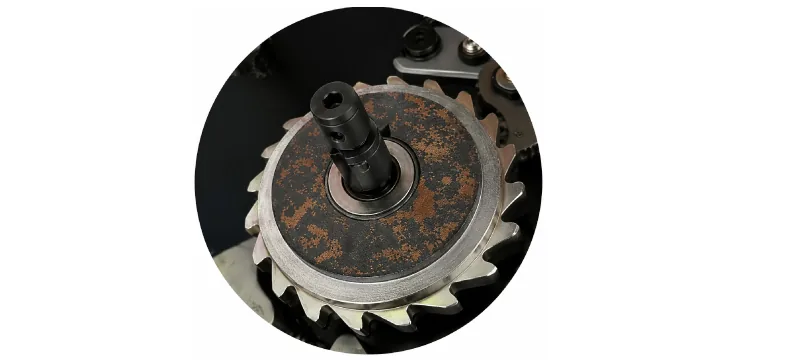
Overload protection
Load monitoring, limits and protection strategies belong in the engineered system and cannot be replaced by a web estimate.
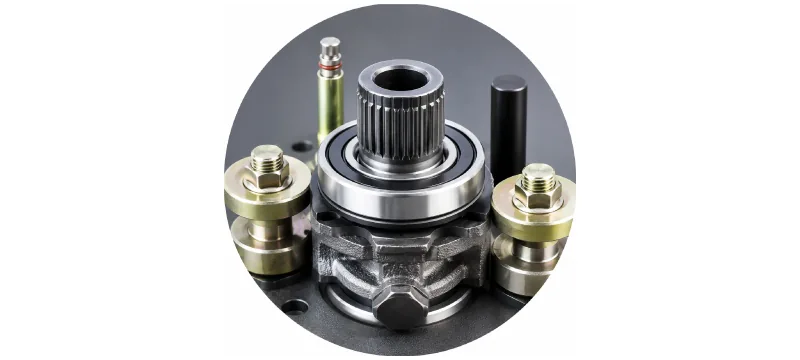
Venue-ready Configuration
Noise, IP rating, installation space and maintenance access are included in equipment selection for the actual venue.
Stage hoists for live production and kinetic installations.
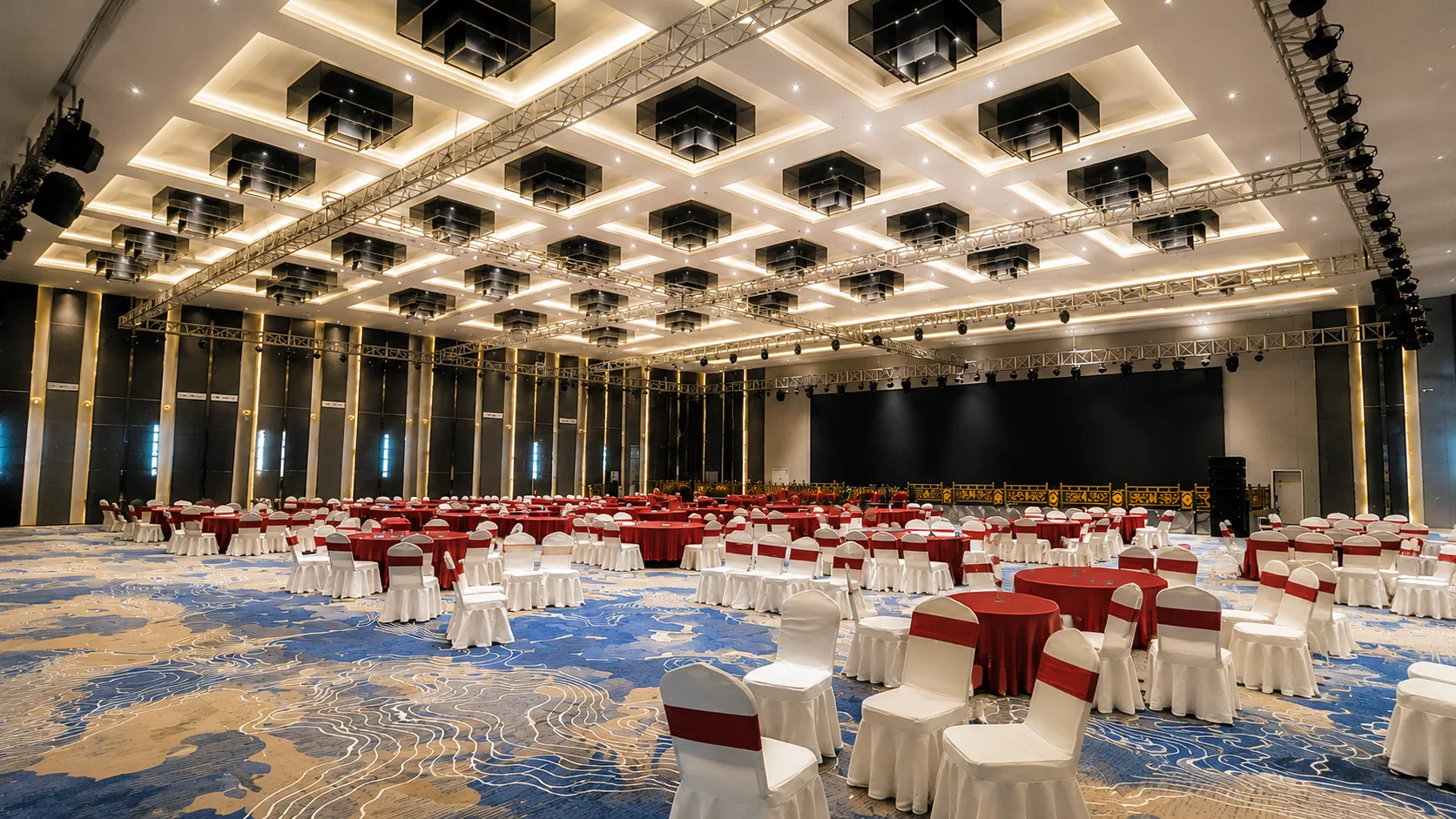
Engineered lifting systems support suspended displays, live productions, theaters, studios and programmed visual reveals where every lift point, travel distance and control route must work as one coordinated system.
Kinetic LED & Media Installations
Multi-point arrays, suspended displays and programmed wave motion
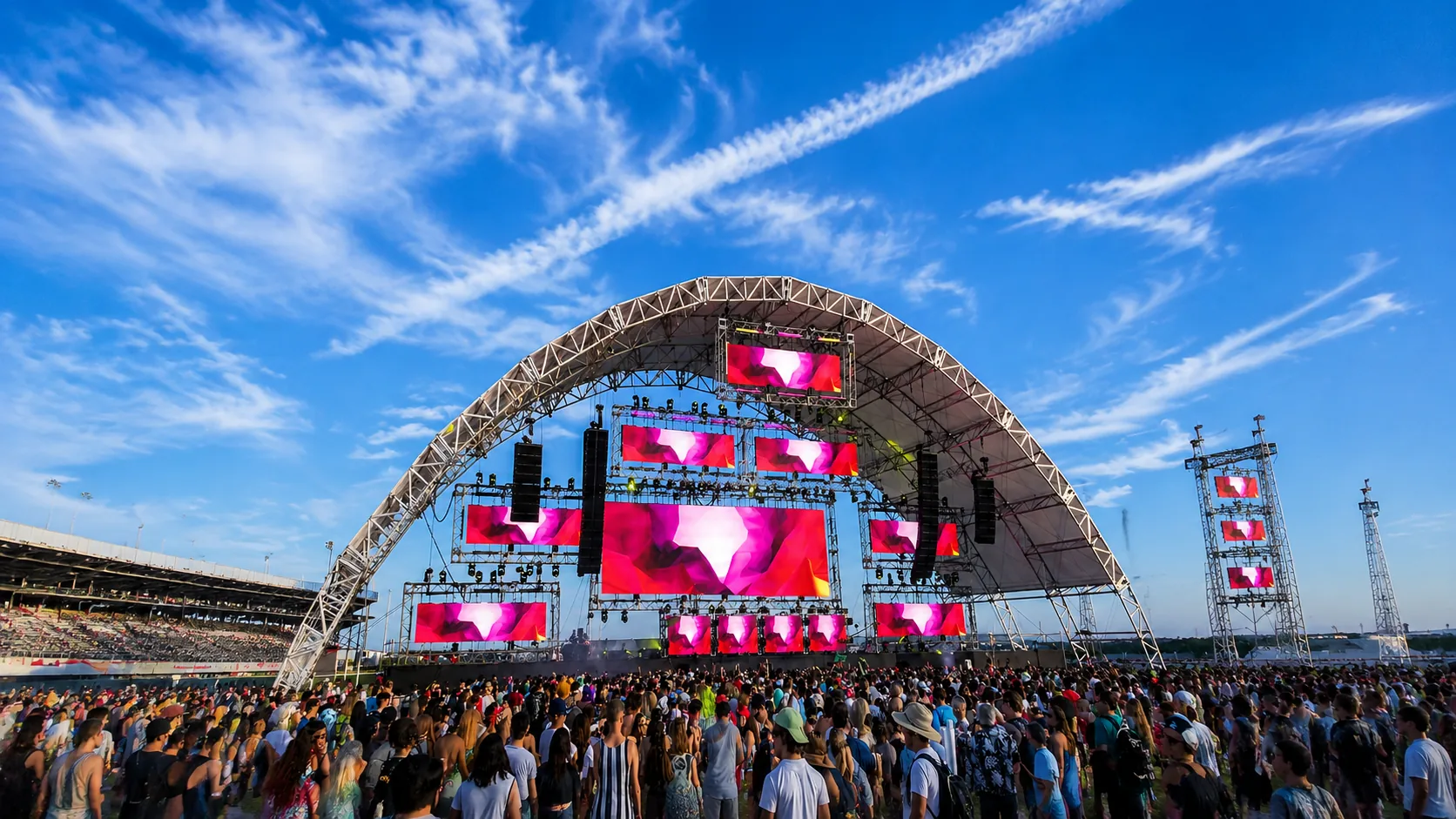
Concerts, Theaters & Live Events
Scenery, lighting rigs, flying screens and show-time transitions
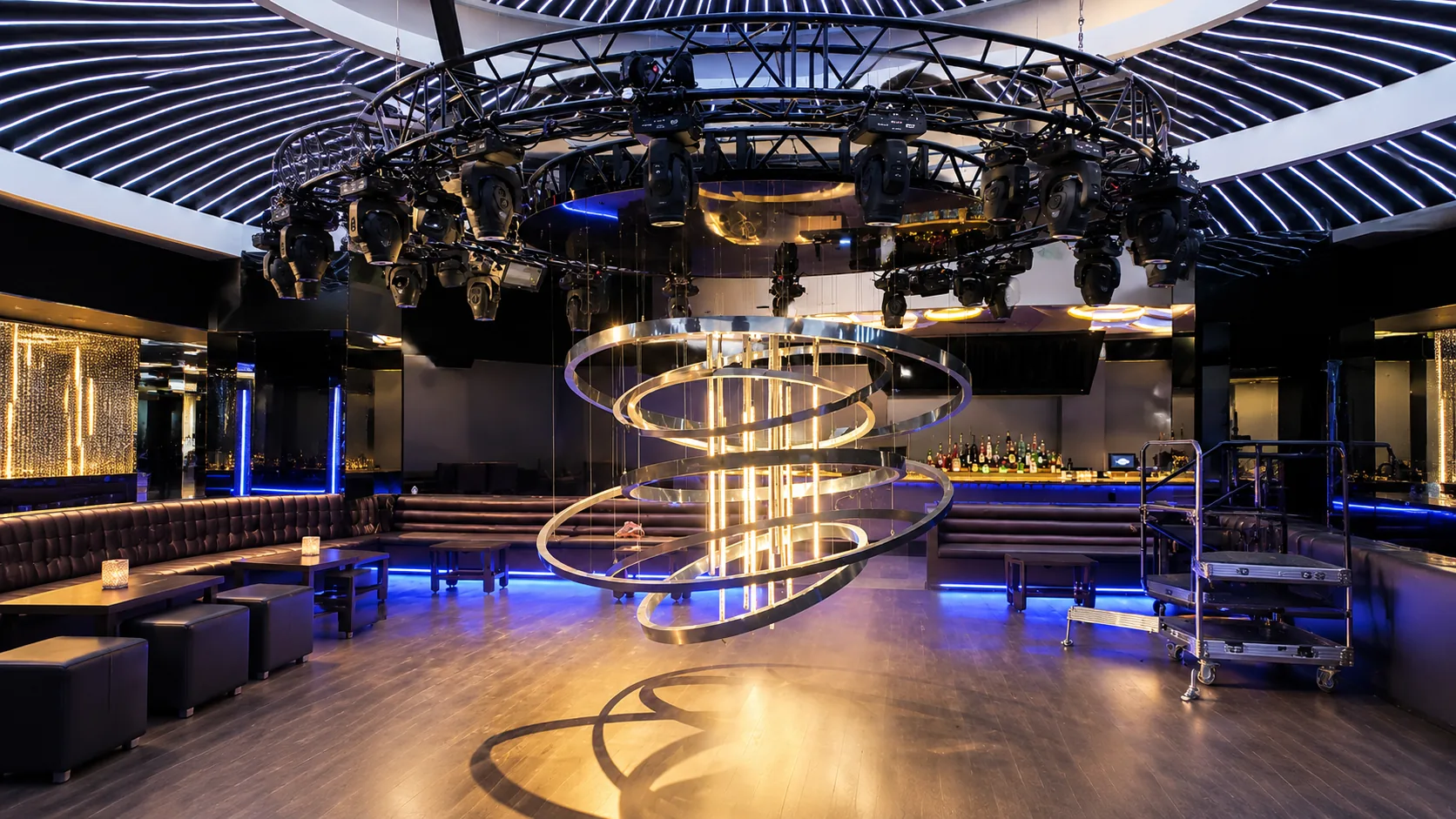
Studios, Atriums & Brand Spaces
Permanent installations, broadcast sets and engineered visual features
Award Shows & Product Launches
Fast deployment, coordinated reveals and repeatable scene changes
Watch it move
See the system operating in real installations.
Technical resources
Move from product research to an engineering decision.
Product specification
Reference dimensions, performance, packing and system-interface information.
Ask the engineering AI
Get a quick answer about product selection, inputs or supply scope. Complex questions are handed to WhatsApp.
Joeqing on YouTube
Watch product motion, factory demonstrations and completed kinetic installations.
Open the video channelFrom stage hoist brief to engineered delivery.
For engineered systems, a clear workflow reduces uncertainty and helps every stakeholder prepare the right information.
Submit Parameters
Load, lift-point count, travel, motion mode and project location.
Engineering Review
Review eccentric loads, dynamic conditions, suspension and control scope.
Solution & Quotation
Confirm Q1, Q2+, Q3 or JQ-A, controller level, accessories, quantities and supply scope.
Drawings & Delivery
Proceed to detailed design, production, testing, installation or remote support.
Stage electric hoist questions, answered.
These answers support early procurement planning. Final load selection, rigging design, standards and control architecture require model-specific engineering review.
What is a stage electric hoist?
A stage electric hoist is an electric chain hoist selected for entertainment lifting tasks such as scenery, truss, lighting, LED displays and kinetic installations. The final equipment and control design must match the load, motion and venue conditions.
What is the difference between buying hoists and a complete stage lifting system?
Hoists-only supply is for integrators with their own control architecture. A control package adds group controllers and packaged power distribution. A complete system can include lift-point planning, hoists, accessories, control topology, testing and motion commissioning.
What information is required for a stage hoist quotation?
Provide the lifted object, total static load, number of lift points, vertical travel, motion mode, project type, location and any available suspension or load drawings.
Can multiple stage hoists move together?
Yes. Depending on the confirmed hoist and controller package, Q1, Q2+ or Q3 lift points can be planned for single operation, synchronized groups or an engineered motion-control route.
Which Q1, Q2+, Q3 or JQ-A stage hoist should I use?
Q1 covers multiple general-purpose load classes, Q2+ adds multi-speed operation and IP66 protection, Q3 provides a 1000 kg low-speed route, and JQ-A is a manual chain-hoist option. Final selection must account for dynamic factors, eccentric loads, travel, duty cycle and local requirements.
Does the online configurator replace a rigging design?
No. The configurator is for early project screening only. It is not a rigging design, load certification or safety guarantee, and all critical conditions must be reviewed by qualified engineers.
Which stage hoist standards or certificates apply?
Applicable standards and certificates depend on the proposed model, operating mode and destination market. Request model-specific documentation during engineering selection rather than assuming a standard from a general webpage.
What supply scopes can Joeqing provide?
Choose hoists only, electric hoists with group controllers and lifting accessories, or a complete stage lifting system. The final proposal defines equipment, software, testing, commissioning and support responsibilities.
How do I work out the load a stage hoist has to lift?
Start with the mass of what is hanging, then add the frame, the rigging and any cabling that travels with it. For an LED payload the screen is usually the largest single item — the LED wall calculator will give you an area-based figure to start from. Spread that across the points you actually have, keep a margin for dynamic load during acceleration, and only then pick a rated load class. Working the other way round, choosing a hoist and hoping the load fits, is how projects end up re-rigged on site.
Can a hoist system carry a screen that moves as well as lifts?
Yes, and that is most of what we build. A hoist gives vertical travel; combining it with a rotating platform or a sliding rail adds rotation or horizontal travel on top. The kinetic ceiling at Beijing Workers Stadium is a servo hoist installation of exactly this kind, where suspended elements change the height and shape of the room through the night. Combined motion changes the safety case, so it is engineered as one system rather than two products bolted together.
Define the lift points first.
Then price the right system.
Provide the total load, lift-point plan and target travel for a configuration aligned with the real project.