
Indoor kinetic LED · Independent layer rotation
Multi-Layer Rotating LED Screen for Commercial Spaces
A double-sided kinetic LED tower with 6–12 independently controlled layers. Select a curved or rectangular format, then configure the layer count and supply package around the installation.
Engineering response within 8 business hours.
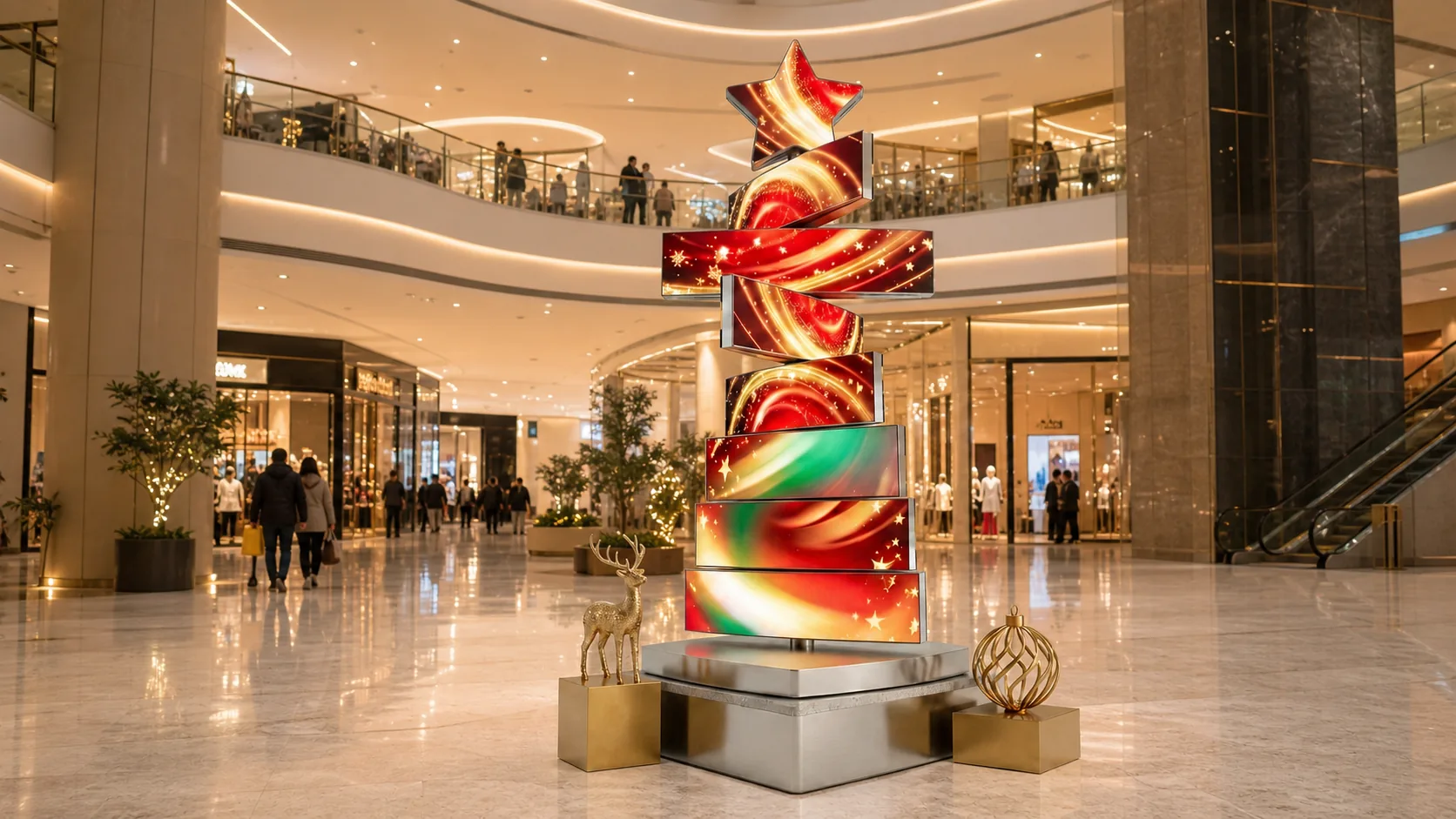
Interactive product builder
Build your multi-layer rotating LED display.
This kinetic LED display is sold by configuration. Start with the shape, layer count and screen package; the builder translates those choices into a clear system summary.
Two rotating screen formats
Choose the rotating LED screen format your space needs.
The two systems do not merely differ in appearance. Each has its own layer size, weight, pixel pitch and drive architecture.
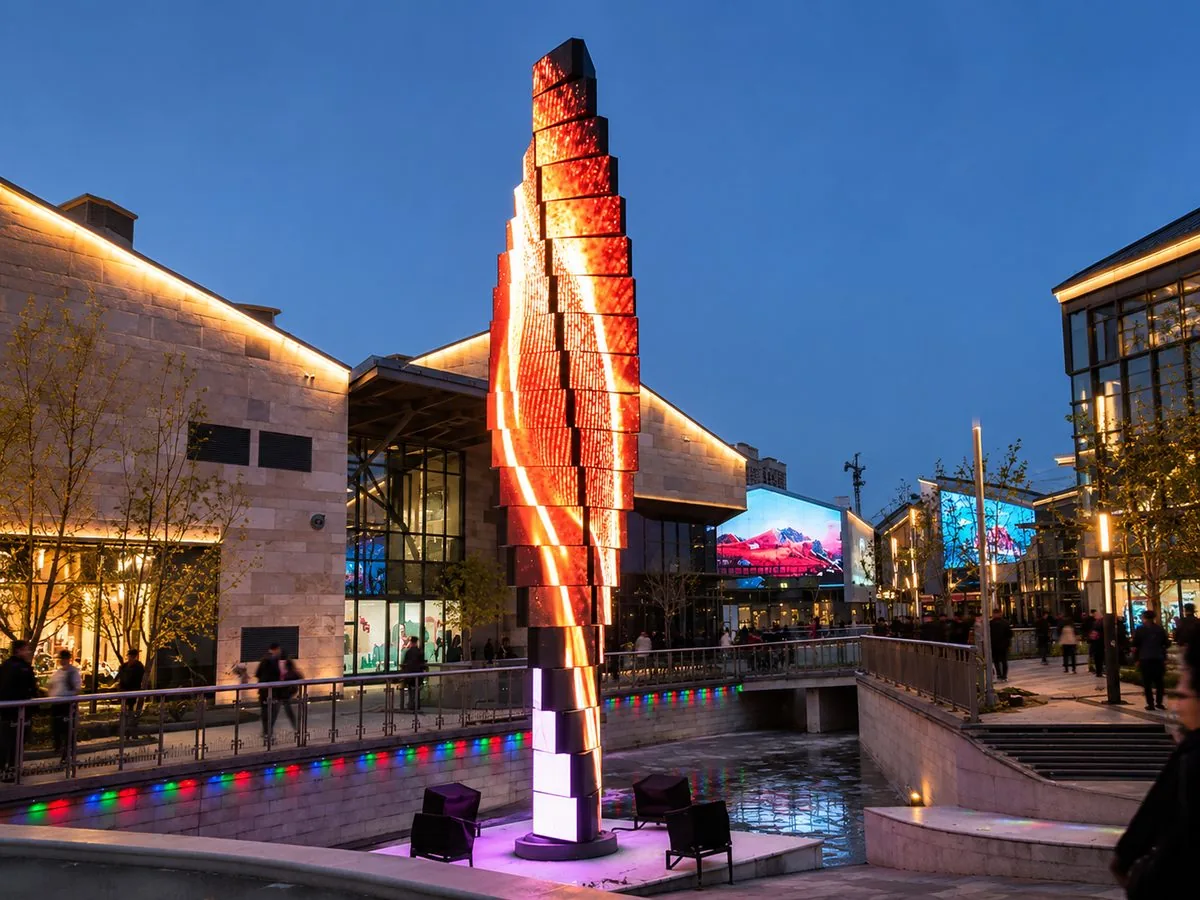
Curved double-sided
Long, removable curved layers create a broader architectural gesture. Select 6–12 layers as a standard system.
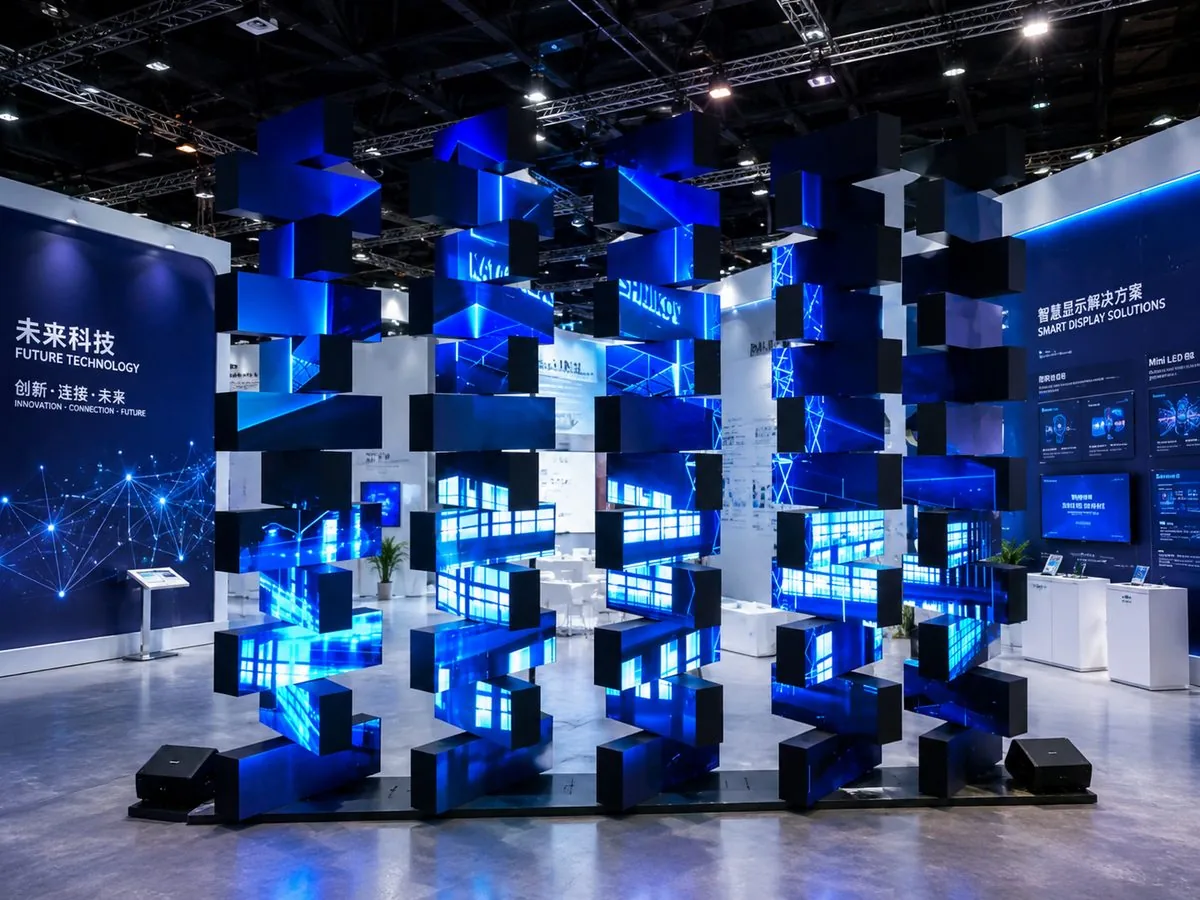
Rectangular double-sided
A narrower modular layer produces a compact vertical tower with verified overall heights for the 6- and 8-layer versions.
Motion and picture, choreographed as one.
Each layer is an independently driven rotating LED module on a servo-controlled axis. The control layer synchronizes mechanical position with on-screen content — so the tower performs programmed motion, not just spinning.
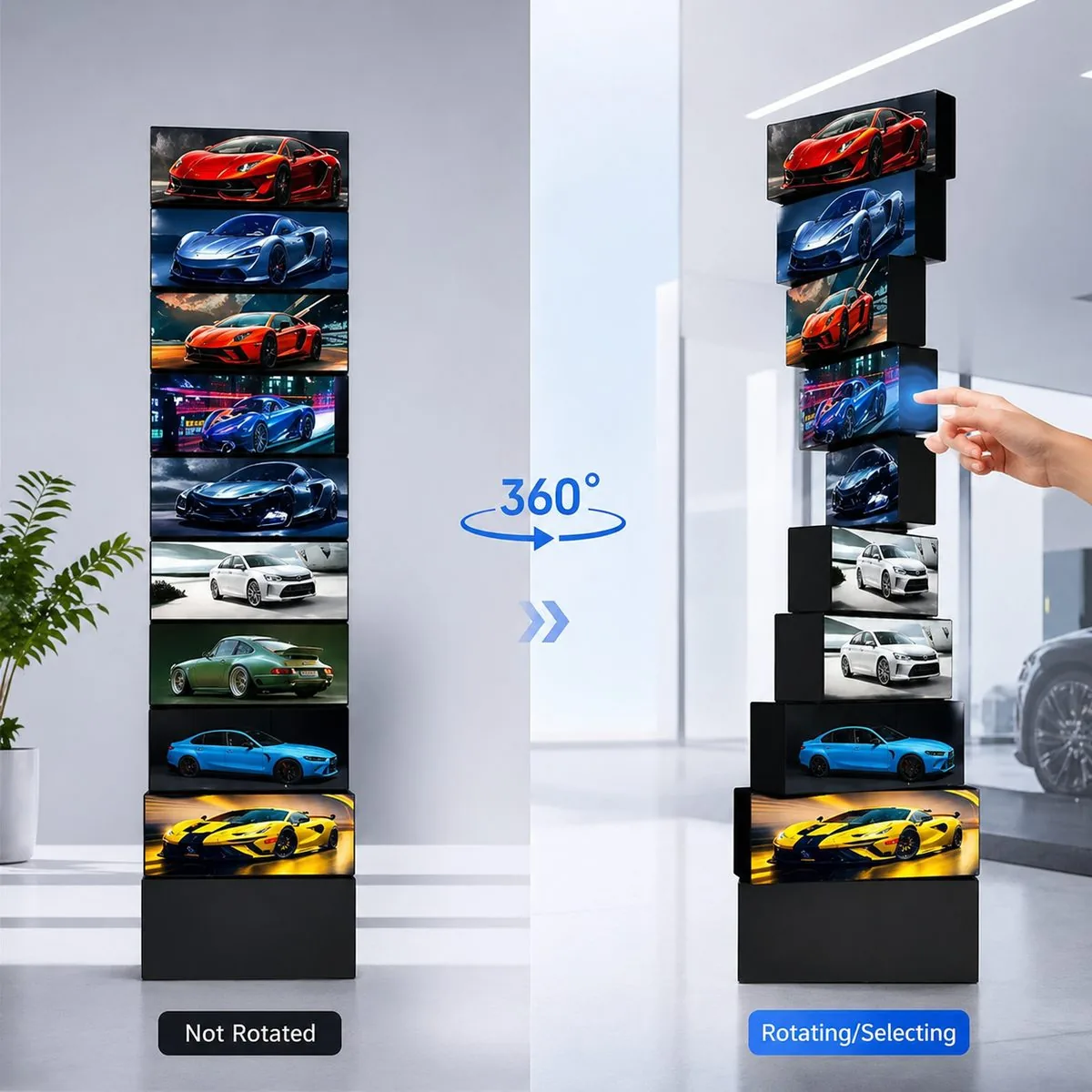
Layered independent rotation
Every layer holds its own drive, direction and speed — waves, spirals and staggered reveals are programmed, repeatable sequences.
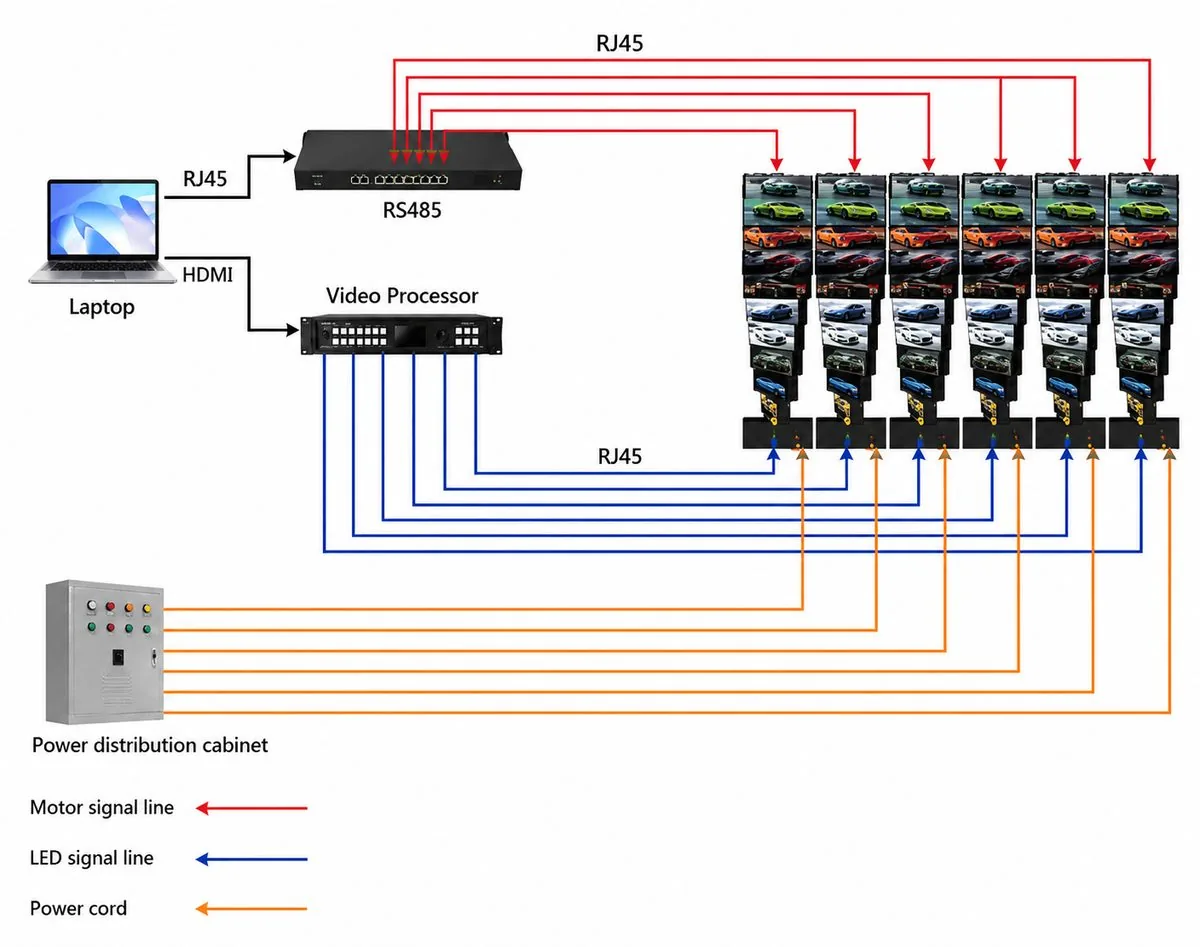
Motion-display synchronization
Mechanical positioning and display content are coordinated by the control system, keeping the picture coherent while the structure moves.
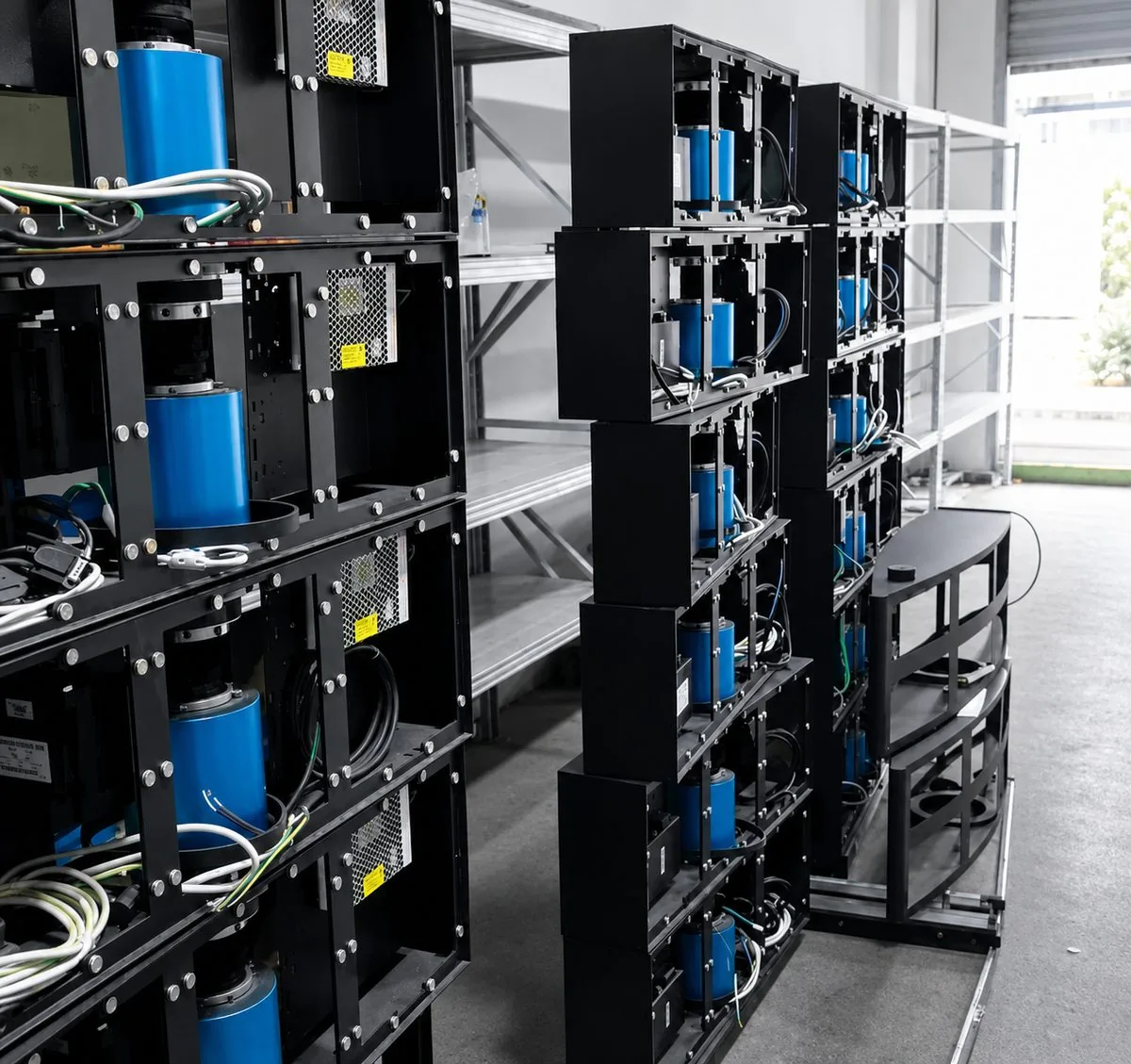
Unlimited-angle rotation
Continuous 360° rotation with no angle limit, displaying front and back — built on P5-grade integrated roller bearings.
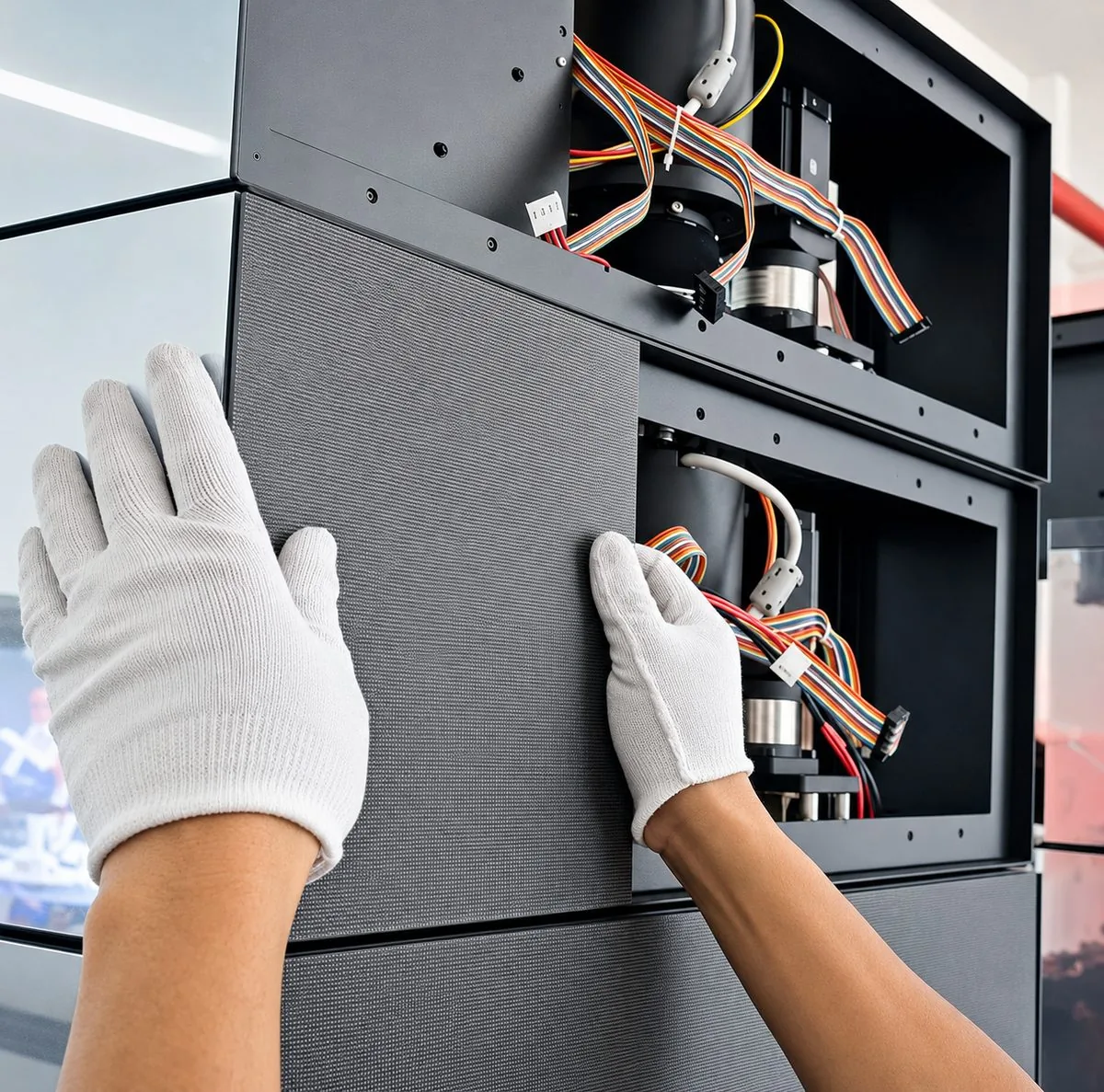
Soft start, soft stop
Every start and stop is buffered by the motion controller — smooth operation, low noise, minimal sway.
12+ layers · engineered to order
When the tower becomes architecture.
Projects above 12 layers move from standard product selection into custom engineering. We start with the space, visual intent and operating plan—not a generic contact form.
Rotating LED screen specifications
Compare the two standard kinetic display systems.
Compare layer size, pixel pitch, drive system, display package and packing before submitting the selected configuration for engineering review.
Curved double-sided system
- Layer size
- 1280 × 320 mm
- Layer weight
- 40 kg
- Layer count
- 6–12 standard
- Pixel pitch
- P2
- LED package
- SMD / COB
- Refresh rate
- 3840 Hz
- Drive
- Servo motor
- Packing
- 4 layers / flight case
Rectangular double-sided system
- Layer size
- 750 × 250 mm
- Layer weight
- 30 kg
- Layer count
- 6–12 standard
- Pixel pitch
- P1.93
- LED package
- SMD / COB
- Refresh rate
- 3840 Hz
- Drive
- 86 closed-loop motor
- Overall height
- 1760 mm (6) / 2274 mm (8)
- Packing
- 4 layers / flight case
Custom systems above 12 layers may include custom dimensions, industry treatment and brand customization. All technical and commercial values remain subject to final engineering confirmation.
Technical resources
Move from product research to an engineering decision.
Product specification
Reference dimensions, performance, packing and system-interface information.
View / download specificationAsk the engineering AI
Get a quick answer about product selection, inputs or supply scope. Complex questions are handed to WhatsApp.
Joeqing on YouTube
Watch product motion, factory demonstrations and completed kinetic installations.
Open the video channelWhere rotating towers earn attention.
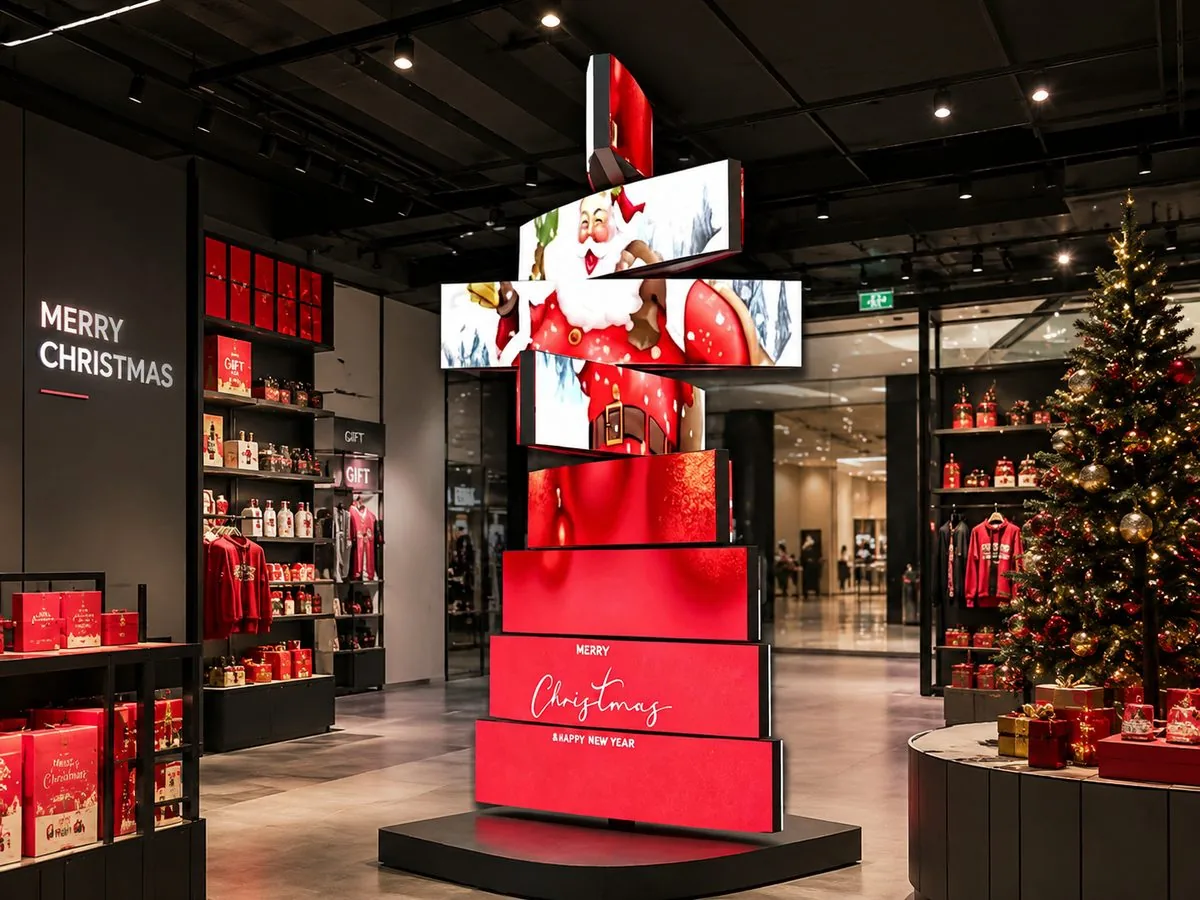
Retail & showrooms
Product storytelling on a moving landmark that reads from every direction.
Exhibitions & events
Flight-case logistics and programmed reveal sequences for stands and launches.
Stadiums & public spaces
Wayfinding and ambience for venues, stations and scenic areas.
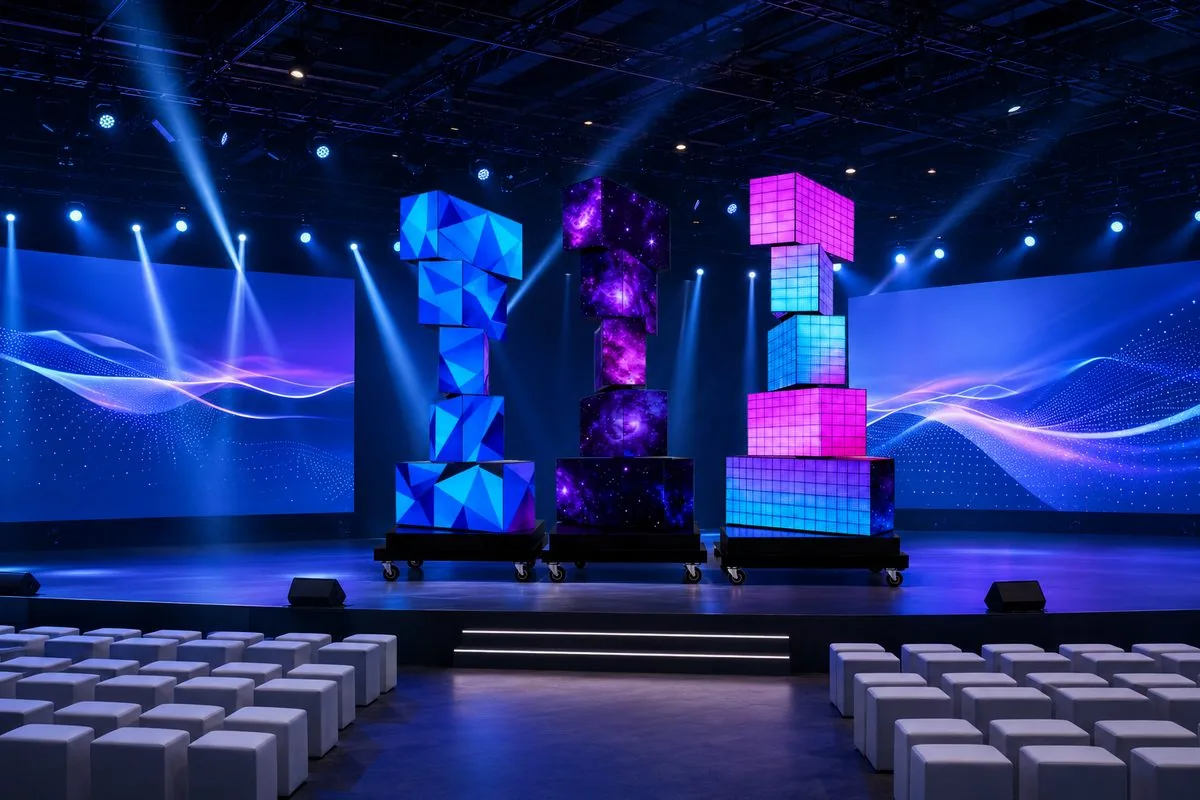
Automotive & brand spaces
Double-sided display towers for dealerships and flagship environments.
Watch it move
See the system operating in real installations.
Turn a configuration into a project
Choose the tower. Share the space. Get an engineered quote.
The live configurator carries the selected format, layers, LED package and application directly into the inquiry.
Rotating LED screen FAQ
Questions buyers ask before engineering review.
Standard answers for product selection; final motion, dimensions, installation and control details are confirmed in the technical quotation.
What is a rotating LED screen?
A rotating LED screen combines LED display surfaces with motorized mechanical movement. In this tower, removable double-sided layers rotate to create changing silhouettes and viewing angles.
How many layers can the rotating LED display use?
Standard systems use 6, 8, 10 or 12 display layers. Projects above 12 layers follow a custom engineering route based on the space and visual concept.
Curved or rectangular—which format should I choose?
The curved P2 system uses wider 1280 × 320 mm layers and servo drive. The rectangular P1.93 system uses compact 750 × 250 mm layers and an 86 closed-loop motor.
Are the LED layers double-sided and removable?
Yes. Both standard formats use removable double-sided LED layers for multi-directional viewing, transport and service access.
Can the kinetic LED display use SMD or COB?
Yes. SMD and COB are available as standard package choices, subject to final model and project confirmation.
How are the rotating screen layers packed?
Each flight case holds four removable display layers. The final number of cases depends on the selected layer count and project scope.
What control system runs the rotating LED screen?
Each layer sits on its own servo-controlled axis — the curved P2 format uses a servo drive, the rectangular P1.93 format an 86 closed-loop motor. A motion controller coordinates every layer, so direction, speed and hold position are programmed per layer rather than fixed. The same control layer synchronises mechanical position with the on-screen content, which is what keeps a wave or a staggered reveal coherent while the structure is moving. Every start and stop is buffered by the controller for soft start and soft stop, which limits noise and sway.
Can we buy the mechanics and control system without the LED panels?
Yes. The standard scope is mechanical plus control engineering, and LED display manufacturers and system integrators often supply their own panels. In that case we deliver the rotating structure, drives, motion controller and the synchronisation layer, and we work to your panel weight and mounting interface. The same applies across the range — see the foldable lifting screen and the telescopic matrix, or compare all seven on the motion platforms page. To size the panels you plan to mount, use the LED wall calculator — it reports the total mass the rotating structure has to carry.