
Kinetic LED Buyer Guide · 9 min read
How to choose a kinetic LED wall system.
Do not begin with a motor catalogue. Begin with what the audience should see, what must physically move and what your project team already controls.

Most early inquiries arrive in one of two forms: a dramatic reference video with no dimensions, or a spreadsheet full of motor specifications with no explanation of the desired effect. Neither is enough to choose a motion system. A useful first brief sits between them.
The fastest route is to make five decisions in order. If one answer is unknown, say so. A clear unknown is easier to engineer around than a guessed number that quietly becomes part of the quotation.
1. Define what actually moves
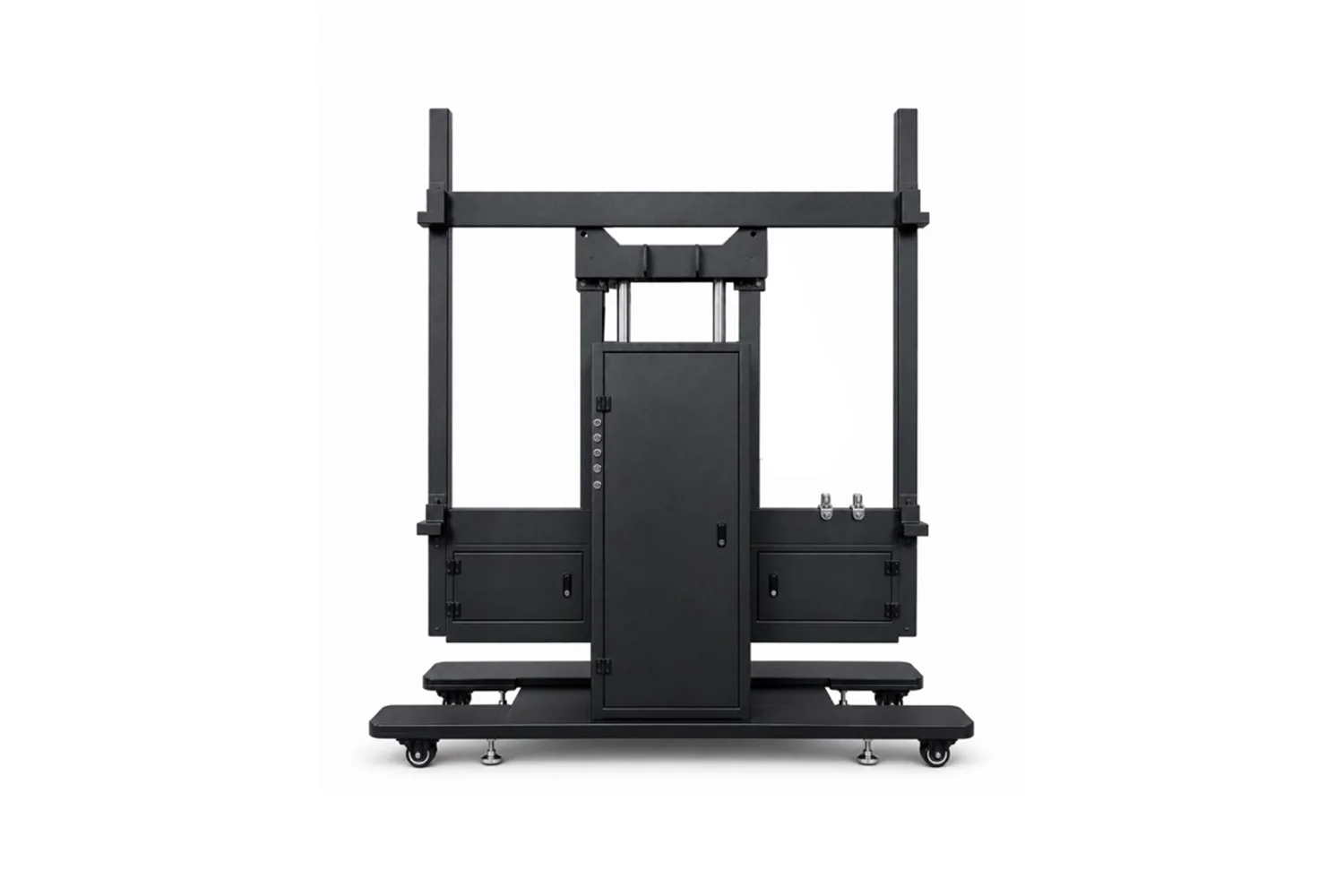
A kinetic LED project might move one complete screen, hundreds of independent LED blocks, several double-sided layers or a non-rectangular object carrying LED. Those are four different mechanical problems.
Record the visible size first. Then add the estimated mass, centre of gravity, mounting points and the space that must stay accessible for service. A 135-inch folding display and a six-metre outdoor rotating landmark both “move LED”, but almost nothing else about their structure, drive or installation is comparable.
2. Describe the path in plain language
“Dynamic” is not a motion path. Use a verb: lift, fold, rotate, extend, retract, slide, open in an arc or follow a programmed three-dimensional pattern. Add the approximate travel or angle, number of moving axes and whether they move independently or as a group.
A reference video is useful here, but annotate it. Tell us which movement matters and which part is only content animation. This prevents a visual effect created in software from being mistaken for a mechanical requirement.
Lift or fold
Best when a large display must deploy, retract or travel between rooms.
Rotate in layers
Creates changing silhouettes and two-sided content without moving the whole structure.
Extend in depth
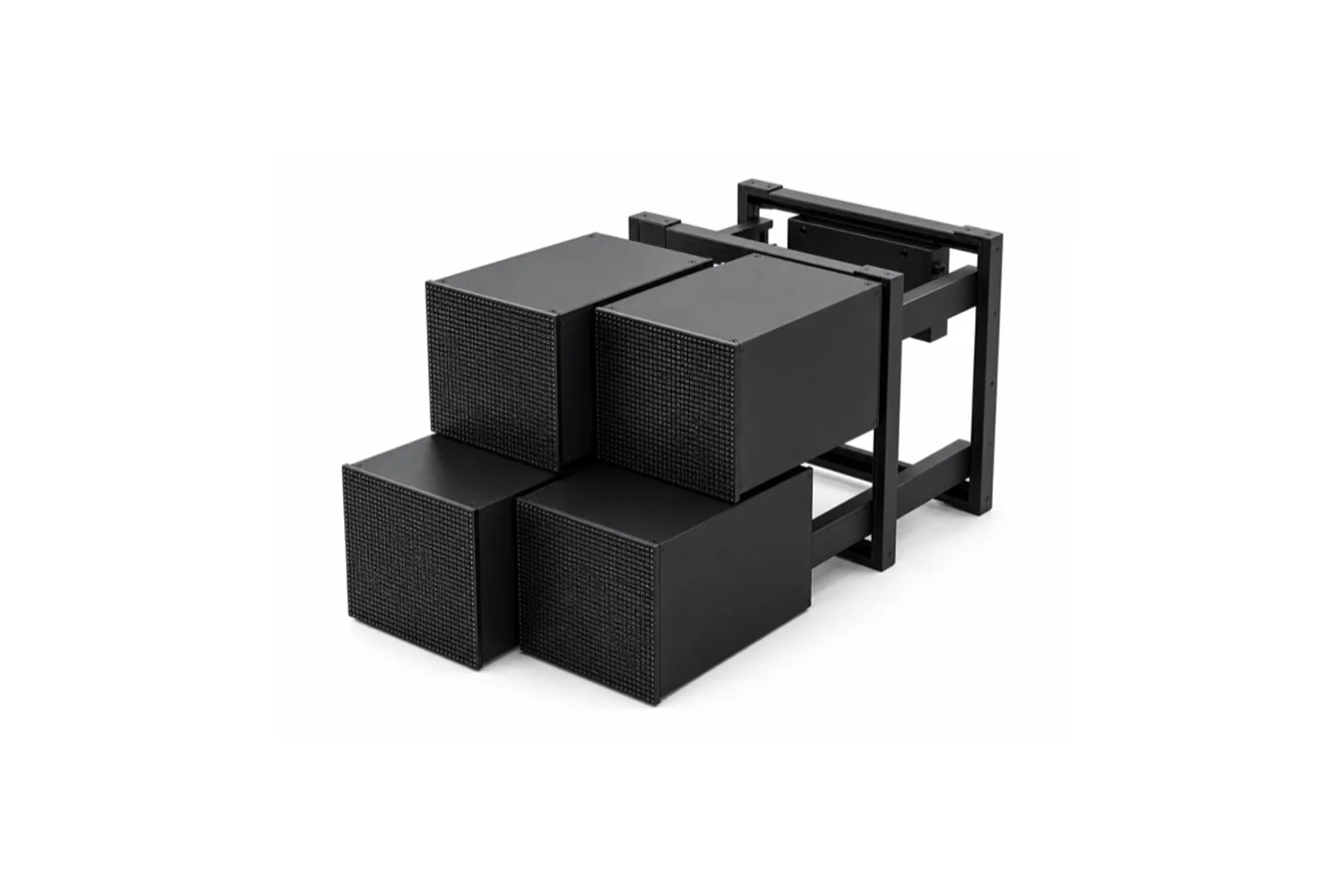
Uses independent modules to form waves, relief and three-dimensional patterns.
Slide on a path
Moves screens along straight, curved or vertical rails for reveals and guided interaction.
3. Confirm indoor or outdoor conditions
Indoor does not automatically mean easy, and outdoor is not just an IP rating. An indoor retail wall may have almost no rear access and must operate quietly beside customers. An outdoor system may face wind, rain, dust, solar heat, drainage requirements and restricted maintenance hours.
State the city, installation height, audience distance, expected operating hours and service route. These facts influence module scale, structural depth, material finish, enclosure and the way cables are allowed to move.
4. Separate motion control from show control
The motion controller manages position, speed, limits, homing and fault behaviour. The show-control or media system decides when a scene should start and what content appears on the LED. The two systems can exchange cues, but they should not be treated as one undefined “control system”.
Name the party responsible for media servers, content mapping, sensors and cueing. Then agree on the interface—such as TCP/UDP or another project-defined protocol—during engineering review. This is especially important when a continuous video must stay visually coherent while the physical screen changes shape.
5. Choose the supply scope
Choose a complete system when the buyer wants one coordinated boundary for LED, structure, motion control, packing and factory testing. Choose structure and motion only when an LED manufacturer or integrator already owns the visible display and processing specification. Choose bespoke development when the shape or movement cannot be covered by a standard platform.
The price comparison only becomes meaningful after this boundary matches. A low structure-only figure and a complete-system quotation are not competing offers.
The seven starting families
- Foldable lifting LED: a portable complete display that opens, lifts and packs into a flight case.
- Indoor multi-layer rotating: double-sided curved or rectangular layers with independent rotation.
- Telescopic matrix / wave: independent modules create programmable physical depth.
- Stage hoist and lifting: multi-point vertical motion coordinated with show cues.
- Outdoor rotating landmark: weather-exposed architectural motion with a larger structural boundary.
- Interactive sliding rail: guided straight, curved, vertical or robotic display travel.
- Bespoke kinetic art: flip walls, moving objects and non-planar concepts developed around the project.
What to send before asking for a price
Send the project city, indoor or outdoor condition, visible size, estimated moving load, motion reference, supply scope and target commissioning date. A sketch with handwritten dimensions is often enough for the first review. The purpose of the first exchange is not to freeze every specification; it is to identify the right mechanism and expose the missing inputs.
Need help choosing the platform?
Send the moving object, approximate load, path, site and target date.