
Delivery · 7 min read
Factory testing and overseas installation.
The purpose of factory testing is to confirm the agreed system behavior and make the site boundary visible before shipment.
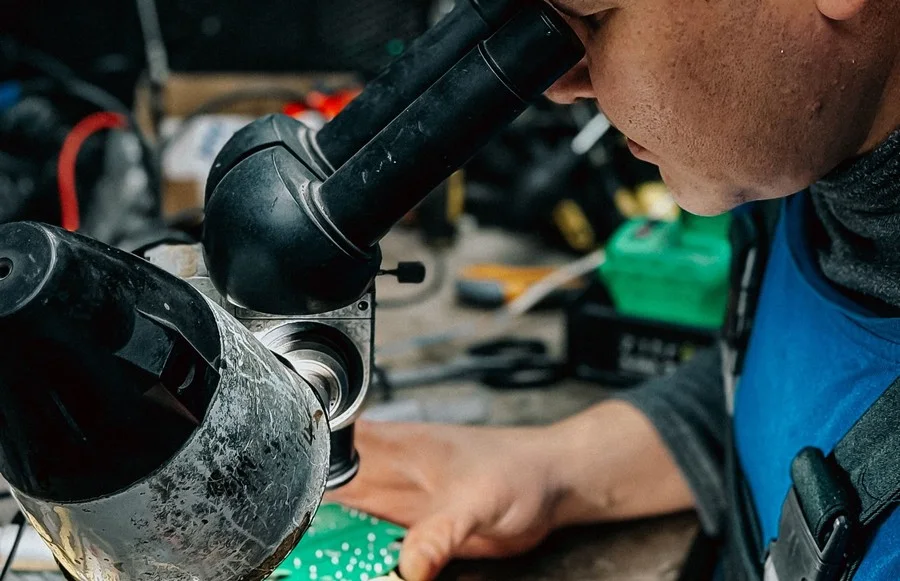
Confirm what will be assembled before dispatch
Not every large motion system can be assembled at full site scale in the factory. The test plan should state whether the full system, representative modules or critical subassemblies will be built and operated before packing.
Test the agreed operating states
Factory review should cover homing, limits, representative motion sequences, emergency-stop behavior, operator controls and the defined communication boundary. For synchronized systems, the test should also show how axes return to repeatable positions.
Record interfaces, not just the finished motion
Useful delivery documentation identifies mechanical connections, cable routes, cabinet connections, site-supplied supports and the order of assembly. Photos and short videos support the drawing package but do not replace it.
Pack around the installation sequence
Large projects are easier to receive when packing groups match the installation order. Flight cases, structural crates, control cabinets, service parts and tools should be labelled against the packing list and assembly plan.
Define who does what on site
Before dispatch, name the responsible party for unloading, lifting equipment, local labour, site power, network, structural verification, display installation, motion commissioning and show-control integration.
Close the loop after commissioning
The final handover should include approved operating states, routine checks, access requirements and the escalation route for faults. The system is not complete until the site team understands the normal and safe operating boundary.
Planning an overseas installation?
Share the destination, system type, site team and target commissioning date.